Plant Problems
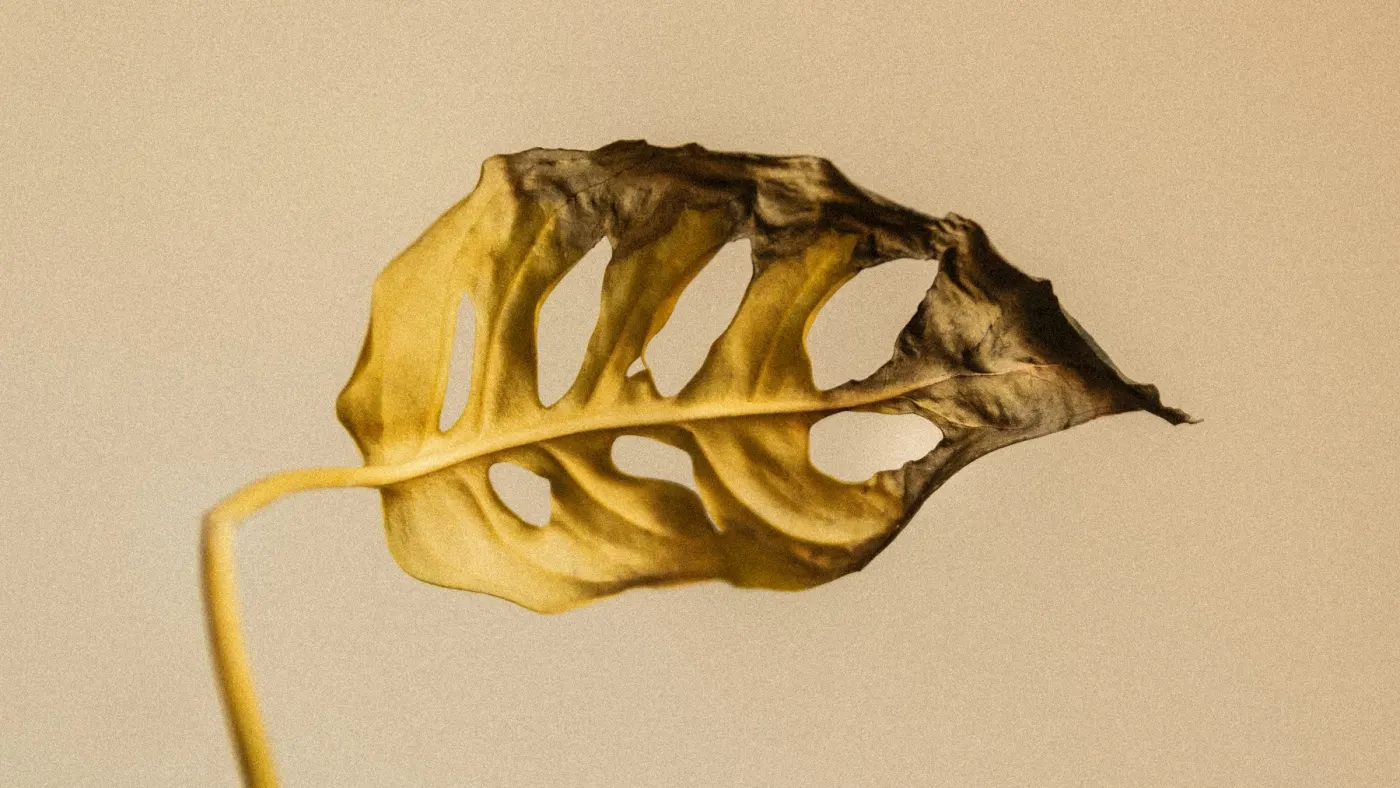
Why Are My Plant’s Leaves Turning Yellow? 9 Causes and Fixes
Yellow leaves are a plant’s way of saying something’s off. Use this step-by-step checklist to find the cause — from overwatering to low light — and fix it fast.
Indoor plant care guides
Practical, plain-English guides to watering, light, repotting and fixing common plant problems — written for real homes and real beginners.

Yellow leaves are a plant’s way of saying something’s off. Use this step-by-step checklist to find the cause — from overwatering to low light — and fix it fast.
 Plant Care
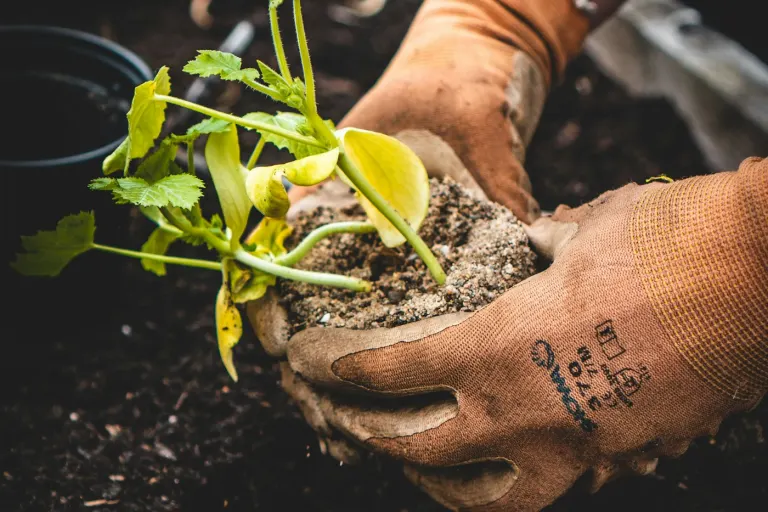
Watering, light, soil and repotting
6 guides
Plant Care
Watering, light, soil and repotting
6 guides
 Houseplant Guides
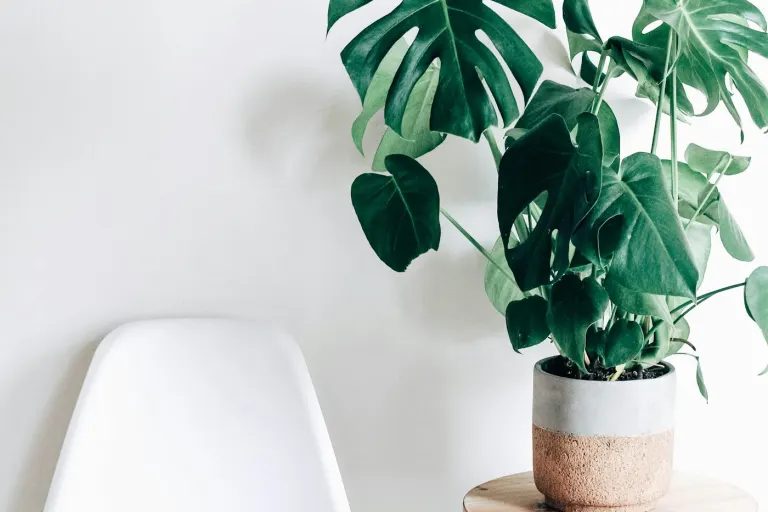
Care guides, plant by plant
4 guides
Houseplant Guides
Care guides, plant by plant
4 guides
 Plant Problems
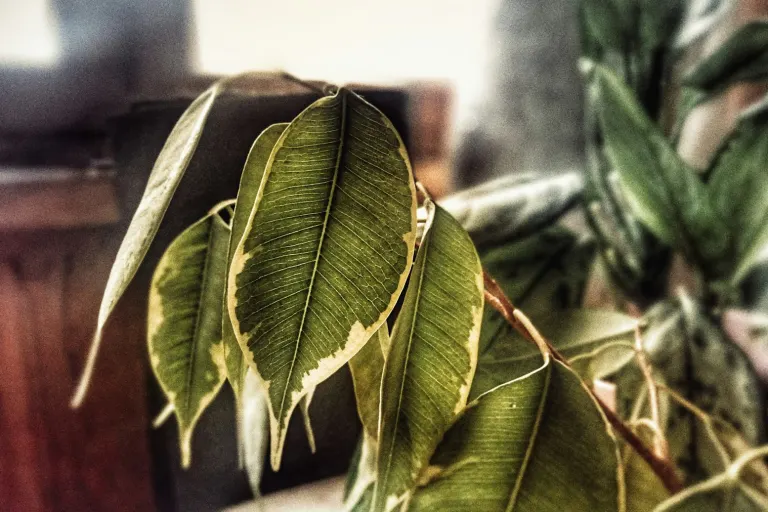
Diagnose and fix what’s wrong
5 guides
Plant Problems
Diagnose and fix what’s wrong
5 guides
 Propagation
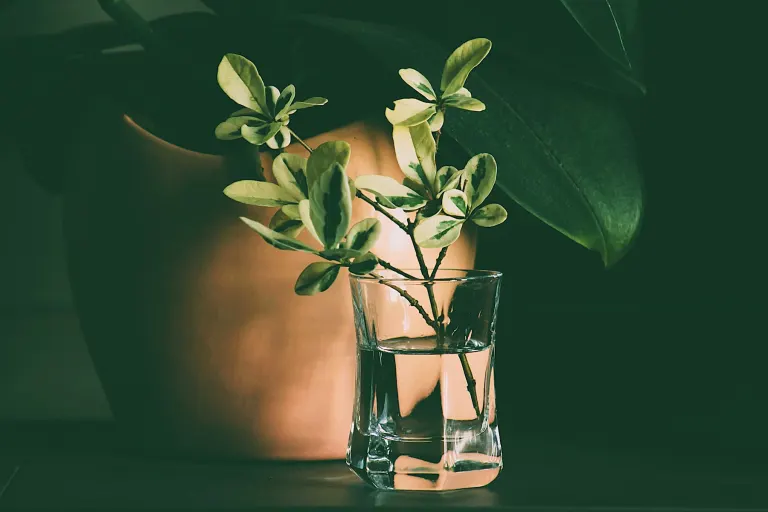
Grow new plants from cuttings
2 guides
Propagation
Grow new plants from cuttings
2 guides
 Best Plants
Picks for every room and light level
Best Plants
Picks for every room and light level
 Free Plant Tools
Quiz, calculators and trackers
Free Plant Tools
Quiz, calculators and trackers
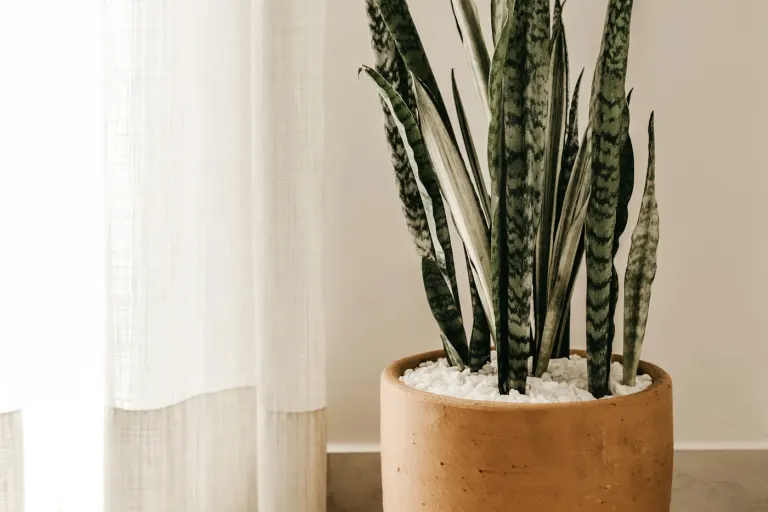
Snake plants are famously tough — but they’re not indestructible. Learn the right light, how rarely to water, the best…
A drooping plant can mean too much water or too little. Use this side-by-side comparison to diagnose the problem, rescue…
“Bright indirect light” confuses everyone. Learn what low, medium and bright light really look like in your home, how to…
Tiny black flies around your plants? They’re almost certainly fungus gnats. Here’s a simple plan to break their life cycle…
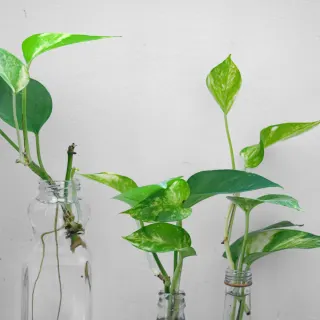
Pothos is the ultimate starter plant: forgiving, fast-growing and easy to propagate. Here’s how to keep it full and vibrant…
Most struggling plants aren’t cursed — they’re dealing with one or two fixable habits. Here are the mistakes new plant…
Beginner’s path
Six short guides, in the order most beginners need them — from picking a forgiving plant to spotting problems early.
Read the beginner’s pathPlant problem solver
Pick the symptom you’re seeing to find likely causes and step-by-step fixes.
The fundamentals that keep indoor plants healthy: how much to water, how much light they need, what soil to use and when to repot.
Care guides for popular houseplants — light, watering, soil, common problems and pet safety for each plant.
Shortlists matched to your light, room and household.
Interactive helpers that run in your browser — no sign-up needed.
Care advice is based on established horticulture guidance and explained without jargon.
Every guide shows when it was last updated, and corrections are made when errors are found.
No fake reviews, prices or test results. Affiliate links never decide what we recommend.