Humidity for Houseplants: What Plants Need and How to Raise It
Crispy edges and curling leaves are often a humidity problem. Find out which plants care about humidity, what actually raises it, and which popular tricks barely help.
In this guide
Quick answer
Many tropical houseplants are happiest at around 40–60% relative humidity, but most common ones cope fine with average home humidity. If you see crispy leaf edges or curling on moisture-loving plants, the most reliable fix is a small humidifier placed near your plants. Grouping plants helps a little. Misting only raises humidity for a few minutes.
Humidity is the amount of moisture in the air. Many popular houseplants come from tropical forests, where the air is often damp. Our homes — especially in winter, with the heating on — can be much drier.
The good news: not every plant needs extra humidity, and you don’t need expensive gear to help the ones that do.
How humid is your home?
A cheap digital hygrometer (humidity monitor) is the easiest way to find out. Many people are surprised by the reading:
- Below 30%: very dry. Common in heated homes in winter and in desert climates.
- 30–40%: dry side of normal. Fine for most tough houseplants.
- 40–60%: comfortable for people and most tropical plants.
- Above 60%: humid. Great for ferns and calatheas, but watch for mould and condensation on walls and windows.
Which plants care most about humidity?
| Humidity needs | Examples |
|---|---|
| Low — cope with dry air | Snake plant, ZZ plant, succulents, cacti, aloe, ponytail palm |
| Average — adaptable | Pothos, heartleaf philodendron, rubber plant, spider plant, monstera, hoya |
| High — prefer moist air | Calathea and prayer plant, Boston fern, maidenhair fern, most orchids, alocasia |
If your air is dry and you don’t want to fuss, choose plants from the first two rows. Our list of easy indoor plants for beginners focuses on adaptable plants.
Signs of low humidity
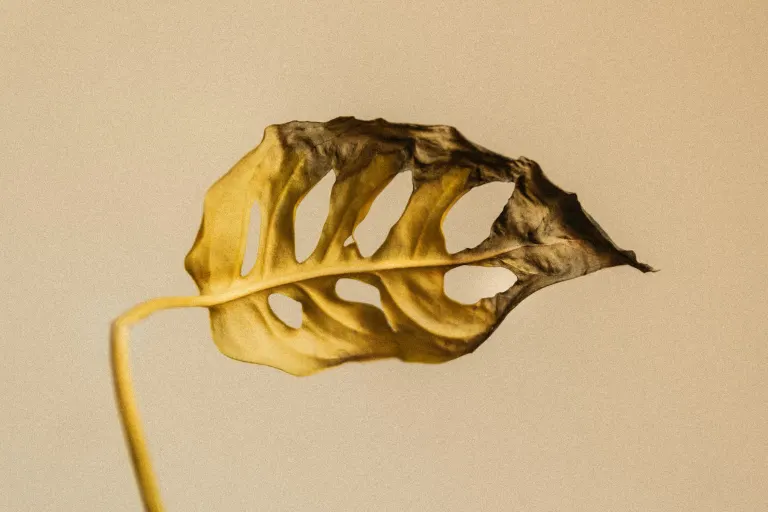
- Brown, crispy leaf tips or edges, especially on calatheas, ferns and palms.
- Leaves curling inward to hold on to moisture.
- New leaves getting stuck as they unfurl, or tearing as they open.
- Flower buds drying and dropping before they open.
- Spider mites showing up — they thrive in warm, dry air.
These symptoms can also come from underwatering, too much direct sun or mineral buildup. Before you buy a humidifier, rule those out with our guide to brown leaf tips.
What actually raises humidity
1. Use a humidifier (most effective)
A small cool-mist humidifier near a group of plants can raise humidity in that area by a noticeable amount. Set it on a timer or a humidistat, keep it clean as the manufacturer recommends, and aim for the 40–60% range rather than higher. Our plant humidifier guide covers what to look for.
2. Group plants together
Plants release moisture through their leaves. Clustering them creates a slightly more humid pocket. It won’t turn a dry room into a rainforest, but it helps and costs nothing.
3. Choose naturally humid rooms
Bathrooms and kitchens are often more humid than living rooms. If the room also has a window with decent light, it can be a great home for moisture lovers. See our picks of plants for bathrooms.
4. Move plants away from vents and heaters
Hot, dry air blowing straight onto leaves is much worse than a generally dry room. Keep plants a few feet away from radiators, heating vents and air conditioners.
5. Try a glass cabinet or cloche
For small, very humidity-hungry plants, a glass cabinet, terrarium or cloche traps moisture around the leaves. Make sure there’s some airflow to prevent mould.
Popular tricks that barely help
The truth about misting and pebble trays
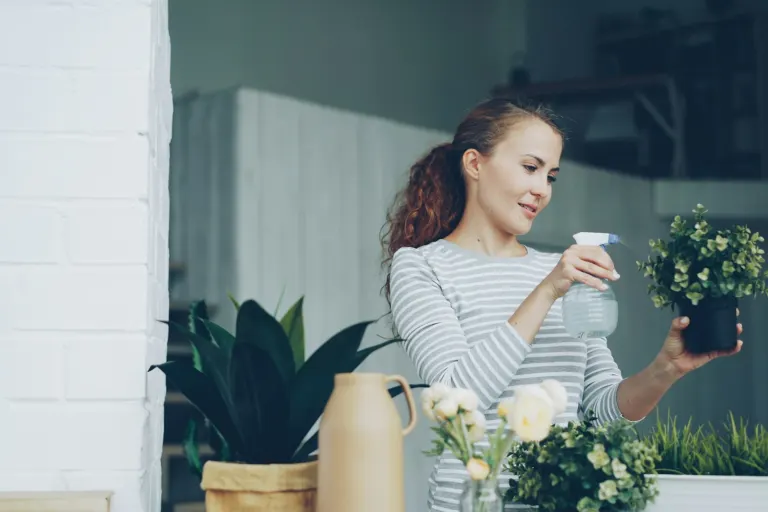
Misting wets the leaves, but the water evaporates within minutes, so the humidity boost is very short-lived. Frequent misting can also leave water sitting on leaves, which some plants don’t like. Pebble trays (a tray of wet pebbles under the pot) add only a small amount of moisture right around the plant. Neither hurts if you enjoy them — just don’t rely on them to fix a real humidity problem.
Can humidity be too high?
Yes. Constantly damp air with poor airflow can encourage mould on soil, fungal leaf spots and condensation on walls and window frames. If you run a humidifier, keep the room ventilated and aim for moderate levels. A small fan on low can keep air moving around plants.
Humidity checklist
- Measure first with a hygrometer.
- Choose plants that match your home’s humidity.
- Group moisture lovers together.
- Keep plants away from heating and cooling vents.
- Use a humidifier for calatheas, ferns and other high-humidity plants in dry homes.
Frequently asked questions
Should I mist my plants every day?
It isn’t necessary for most houseplants, and it won’t solve dry air on its own. If a plant is showing signs of low humidity, a humidifier or a more humid room will make a bigger difference.
Do succulents need humidity?
No. Succulents and cacti prefer dry air. Keep them away from humid bathrooms and humidifiers, where they’re more likely to rot.
Why are my calathea leaves curling?
Curling calathea leaves are usually a sign of thirst or dry air. Check the soil first — calatheas like it lightly moist. If watering is on track, raise the humidity and move the plant away from heaters and direct sun.
Sources and further reading
- University of Missouri Extension — Caring for Houseplants
- UC Statewide IPM Program — Houseplant Problems