Common Houseplant Pests: How to Identify and Treat Them
Webbing, white fluff, sticky leaves or tiny bumps? Identify the six most common houseplant pests and follow a simple, low-toxicity plan to get rid of them.
In this guide
Quick answer
The pests you’re most likely to find on houseplants are spider mites, mealybugs, scale, aphids, thrips and fungus gnats. For most of them, start by isolating the plant, rinsing the leaves with water, and wiping or spraying with insecticidal soap or horticultural oil as the label directs. Repeat weekly for several weeks, because eggs keep hatching.
Almost every plant owner meets a pest eventually. Catching them early makes all the difference — a few bugs are easy to handle, while a full-blown infestation can spread through a whole collection.
First steps for any pest
- Isolate the plant away from other plants right away.
- Identify the pest using the guide below. A magnifying glass or phone camera zoom helps.
- Remove the worst-affected leaves and bag them.
- Rinse the plant in the shower or sink with lukewarm water, covering the undersides of leaves. Cover the soil to keep it from washing out.
- Treat with the method that suits the pest, following product labels.
- Repeat and monitor every 5–7 days for at least three to four weeks.
- Check nearby plants too.
Pest identification chart
| Pest | What you’ll see | Where to look |
|---|---|---|
| Spider mites | Tiny speckles on leaves, fine webbing, dull or dusty-looking leaves | Undersides of leaves, where leaf meets stem |
| Mealybugs | White, cottony clumps; sticky residue | Leaf joints, stems, undersides of leaves, sometimes roots |
| Scale | Small brown or tan bumps that don’t look like bugs; sticky leaves | Stems and along leaf veins |
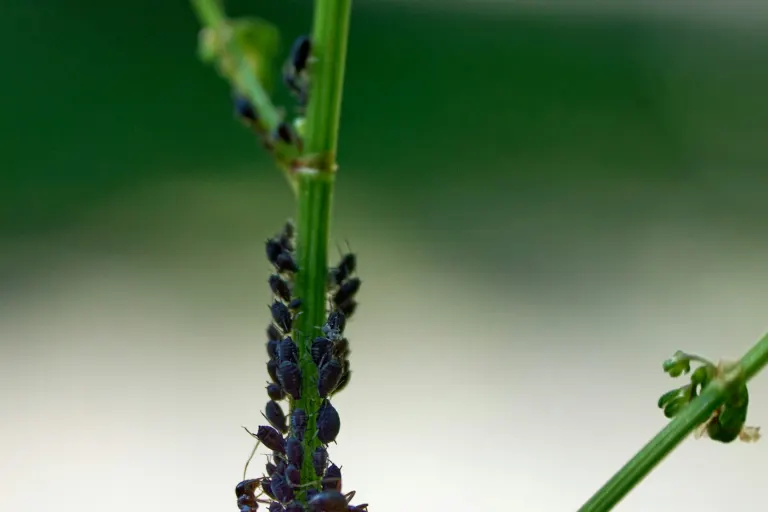
| Aphids | Clusters of small green, black or yellow soft-bodied insects | New growth, buds, stem tips |
| Thrips | Silvery streaks, tiny black specks, distorted new leaves; slender fast-moving insects | Leaf surfaces and new growth |
| Fungus gnats | Small dark flies around the soil | Soil surface, near windows |
Spider mites
Spider mites are tiny relatives of spiders, barely visible without magnification. They suck sap from leaves, leaving fine yellow or pale speckles (stippling). Heavy infestations produce delicate webbing between leaves and stems. They love warm, dry air.
How to treat:
- Rinse the plant thoroughly, especially leaf undersides, to knock mites off.
- Wipe leaves with a damp cloth.
- Spray thoroughly with insecticidal soap or horticultural oil, following the label, and repeat weekly.
- Raise humidity around the plant — see our humidity guide.
Mealybugs
Mealybugs look like small tufts of white cotton. They cluster in protected spots like leaf joints and produce sticky honeydew. Some kinds live on roots.
How to treat:
- Dab visible mealybugs with a cotton swab dipped in rubbing alcohol (isopropyl alcohol). Test on one leaf first and avoid very delicate or fuzzy leaves.
- Follow up with insecticidal soap or horticultural oil sprays every week.
- Check the roots if the plant is declining; badly infested plants may be better discarded.
Scale
Scale insects attach to stems and leaves and hide under a protective shell, so they look like bumps rather than bugs. Sticky leaves and sooty black mould are common clues.
How to treat:
- Scrape them off gently with a fingernail, soft brush or cotton swab dipped in rubbing alcohol.
- Spray with horticultural oil, which smothers young scale, repeating as the label directs.
- Prune heavily infested stems.
Aphids
Aphids are soft, pear-shaped insects that cluster on tender new growth. They can cause curled, distorted leaves and sticky residue.
How to treat: Rinse them off with water, pinch off heavily infested tips, and spray with insecticidal soap if they return.
Thrips
Thrips are tiny, slender insects that scrape leaf surfaces, leaving silvery patches dotted with black specks (their droppings). New leaves may come out twisted.
How to treat: Rinse the plant, remove damaged leaves, use blue or yellow sticky traps to catch adults, and treat with insecticidal soap or another product labelled for thrips on indoor plants. Thrips can be stubborn, so be consistent.
A note on neem and other sprays
Many products are sold for houseplant pests, including insecticidal soaps, horticultural oils and neem oil products. Always read the label: check that the product is meant for indoor plants and the pest you have, test it on a small area first, keep plants out of direct sun after spraying, and keep products away from children and pets. Home-made mixtures of dish soap can damage leaves, so a ready-made insecticidal soap is safer.
Prevention beats treatment
- Keep new plants away from your collection for two weeks and inspect them closely.
- Look under leaves each time you water.
- Wipe dusty leaves — it helps you spot pests early.
- Keep plants healthy with the right light and watering; stressed plants are easier targets.
When to give up on a plant
If an infestation keeps coming back after a month of consistent treatment, or the plant is badly damaged, it’s often kinder to your other plants to take a clean cutting (if the pest-free part is healthy) and discard the rest. See houseplant propagation for beginners.
Frequently asked questions
Where do houseplant pests come from?
Most arrive on new plants, cut flowers or fresh produce, through open windows, or on plants that spent the summer outdoors.
Is sticky residue on leaves always pests?
Usually. Sticky honeydew is a sign of sap-feeding pests like scale, mealybugs or aphids. Check stems and leaf undersides closely.
Can I just throw away the soil?
Replacing soil helps with fungus gnats and root mealybugs, but most other pests live on the leaves and stems, so fresh soil alone won’t fix them.
Sources and further reading
- UC Statewide IPM Program — Houseplant Problems
- UC Statewide IPM Program — Pest Notes: Fungus Gnats