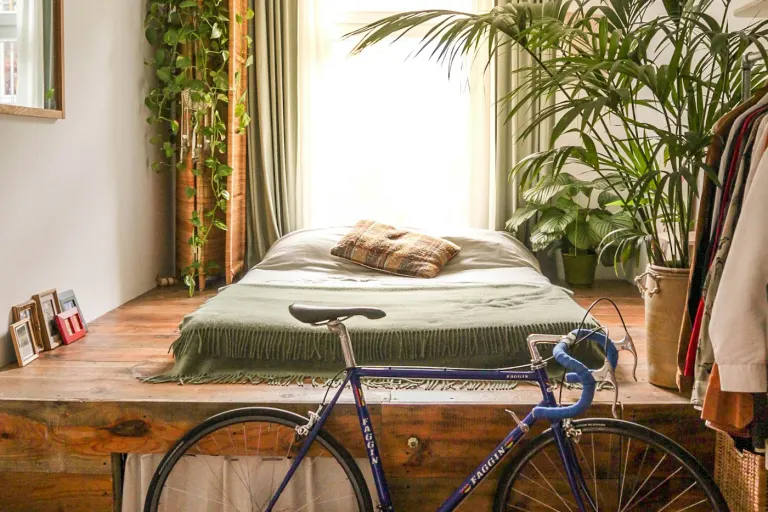
Best plants
Bedroom Plants
Calm, low-maintenance plants that suit bedroom light and routines — from sculptural snake plants to soft parlor palms — with honest notes on what plants can and can’t do for your sleep.
Updated
Quick answer
Good bedroom plants are quiet, tidy and forgiving: snake plant, ZZ plant, pothos, peace lily, spider plant, parlor palm and rubber plant. Choose based on how bright your bedroom is, and pick non-toxic options like spider plant or parlor palm if pets sleep with you.
Bedrooms are often a little darker than living rooms, with curtains closed for part of the day and heating or air conditioning running at night. The best bedroom plants handle those conditions without needing daily attention.
What about plants for better sleep?
You’ll often read that certain plants “purify the air” or help you sleep. A few plants won’t measurably change the air quality of a room the way ventilation or an air purifier can. What plants can do is make a bedroom feel calmer and more pleasant — a perfectly good reason to grow them.
7 easy plants for the bedroom
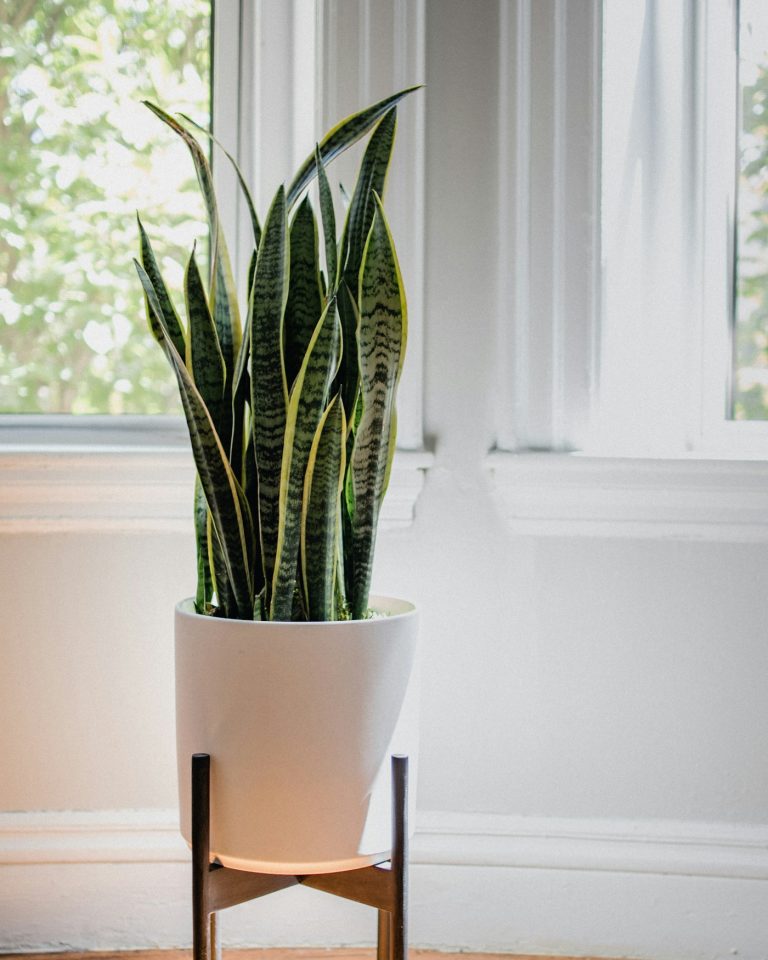
1. Snake plant
Upright, sculptural and happy in a corner. Its slim footprint suits small bedrooms, and it only needs water every few weeks.
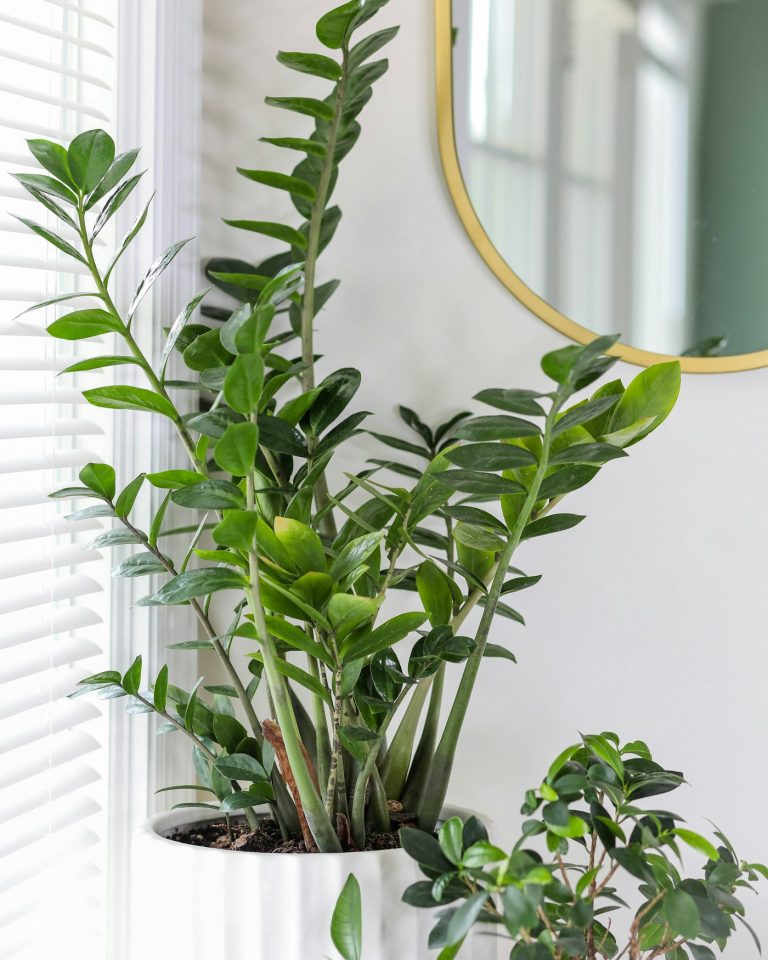
2. ZZ plant
Glossy leaves that look good all year and cope with dim rooms and irregular watering.
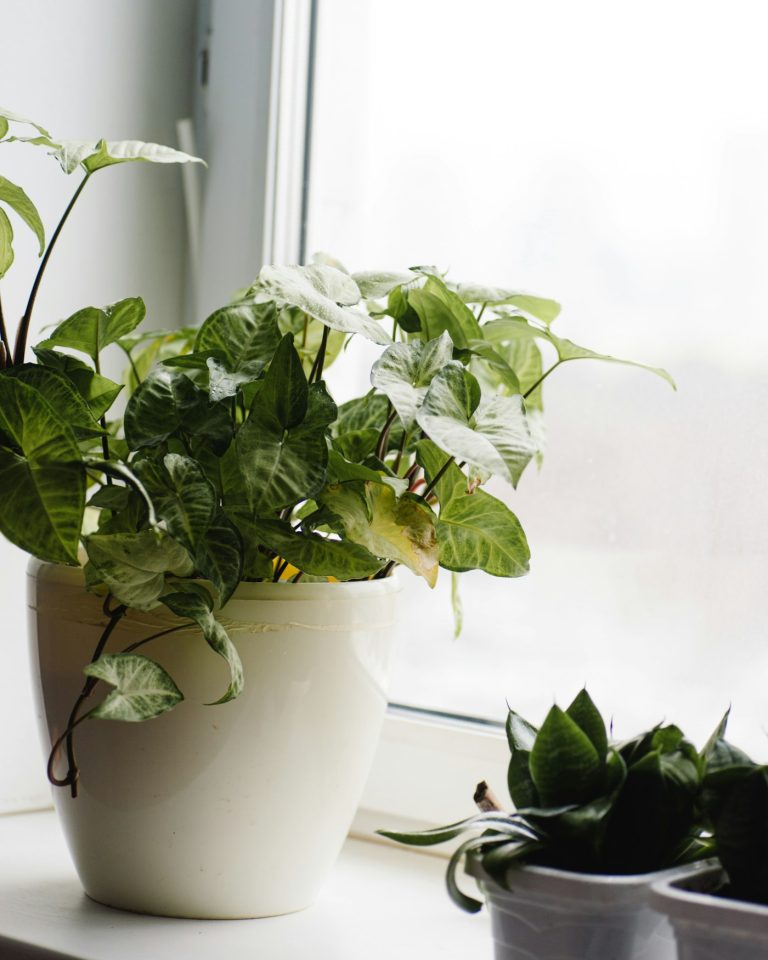
3. Pothos
Softens a dresser or bookshelf with trailing vines. Great for adding green without taking floor space.
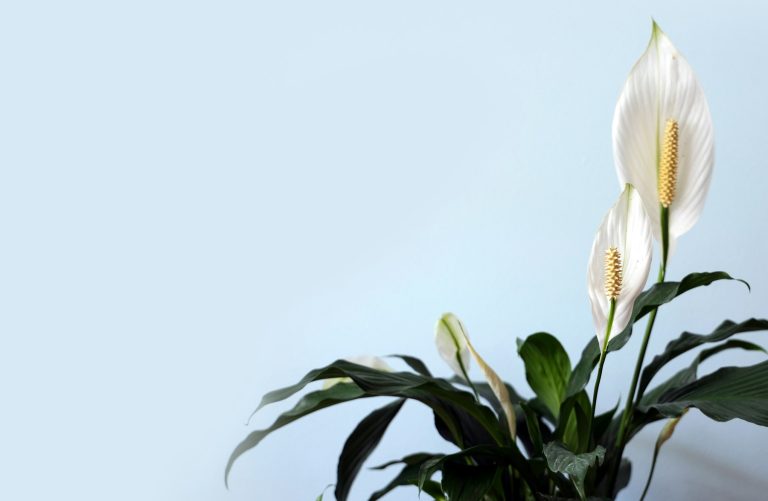
4. Peace lily
Adds white blooms in a bedroom with a brighter window. Keep it away from cold drafts from open windows in winter.
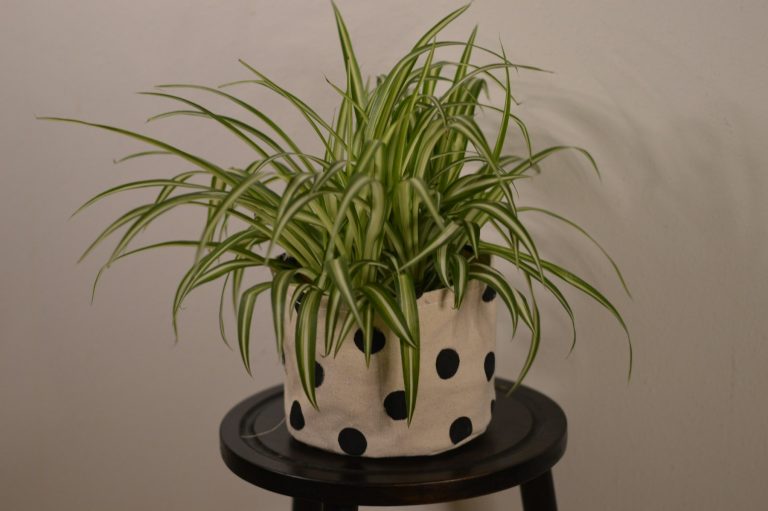
5. Spider plant
A pet-friendly, cheerful option that looks great on a windowsill or hanging near a window.
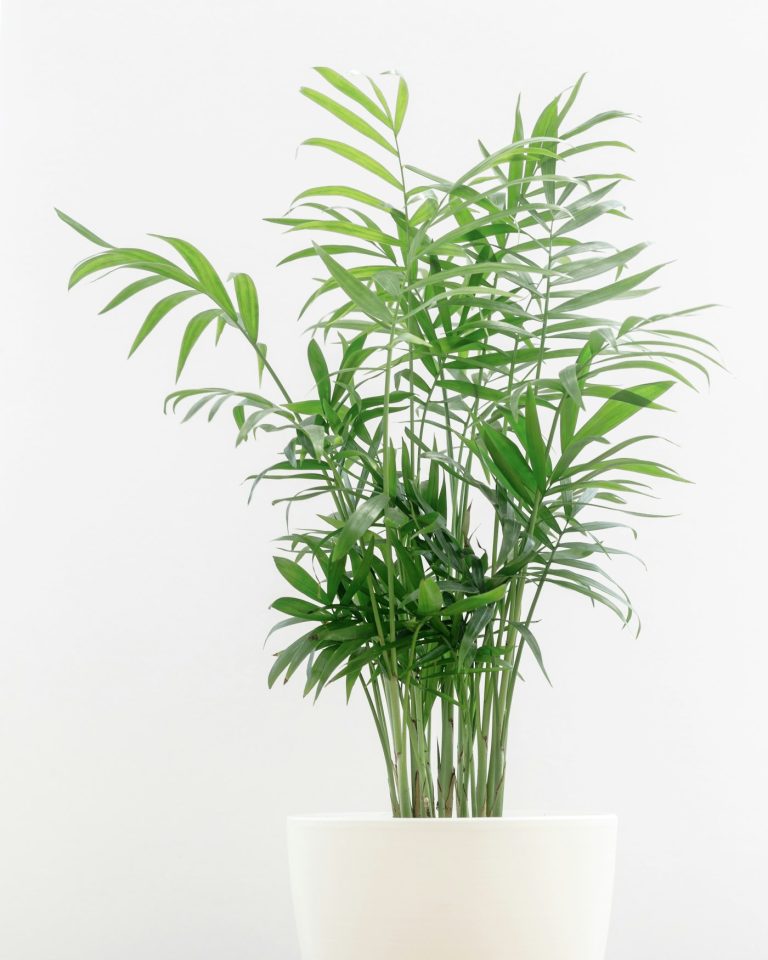
6. Parlor palm
Soft fronds bring a relaxed, leafy feel. Keep it away from radiators, which dry the leaf tips.
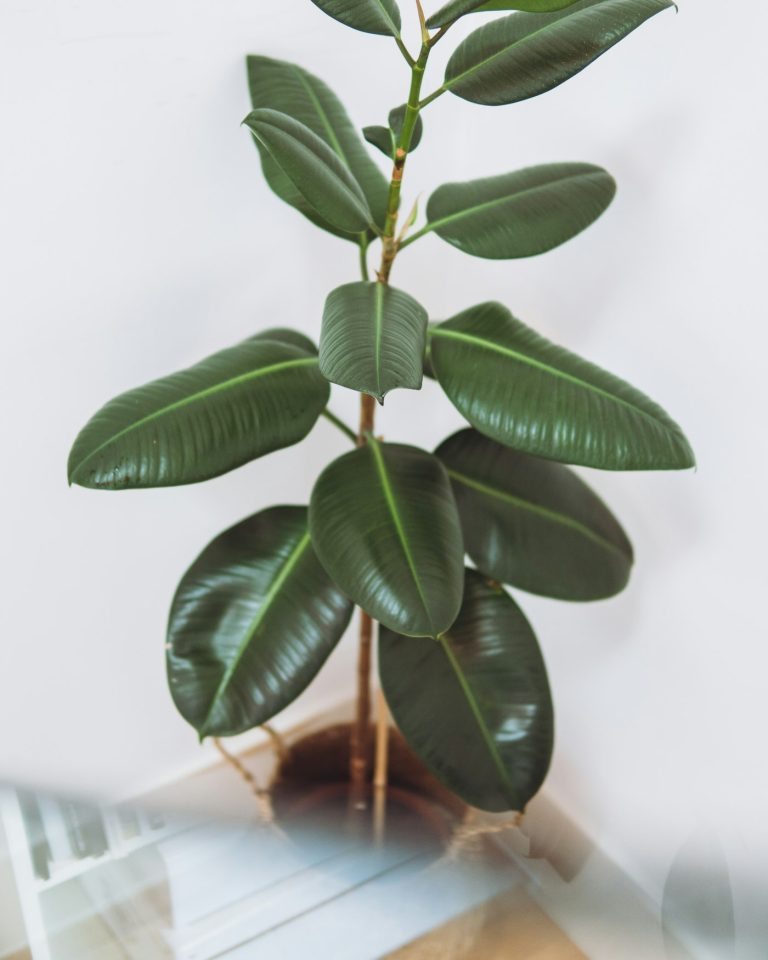
7. Rubber plant
A striking floor plant for bright bedrooms. Its large leaves are easy to dust.
Bedroom plant tips
- Place plants where they get daylight, not in the darkest corner behind the door.
- Keep them away from heaters and air conditioning vents near the bed.
- Use saucers or cachepots to protect furniture and floors.
- Watch soil in winter: cooler bedrooms mean soil dries slowly — water less.
- Keep pollen-heavy flowering plants to a minimum if you have allergies.
- Consider pets: choose non-toxic plants if pets sleep in your room — see pet-safe plants.
Frequently asked questions
Is it OK to have plants in the bedroom at night?
Yes. The amount of carbon dioxide a few houseplants release at night is tiny and not a health concern for people.
What’s the best bedroom plant for a room with no direct sun?
ZZ plant, snake plant and pothos cope best with low light. See our low-light plant guide.
Shopping shortcuts
Shop bedroom plants and plant gear
Links go to Amazon search results so you can compare current prices, sizes and reviews yourself. We don’t list prices or star ratings here because they change constantly.
Helpful plant gear
| Product | Best for | Budget | Link |
|---|---|---|---|
| Indoor Plant Pots | Any room | Budget | View |
| Self-Watering Pot | Busy owners | Mid | View |
| Plant Grow Light | Low-light apartments | Mid | View |
| Moisture Meter For Plants | Beginners | Budget | View |
| Plant Stand Indoor | Floor plants | Mid | View |
| Watering Can Indoor Plants | Daily use | Budget | View |
Before you buy
- Match the product to your plant’s size, light and watering needs.
- Read recent reviews for build-quality problems and check the return window.
- Have pets? Check each plant on the ASPCA toxic and non-toxic plant list.