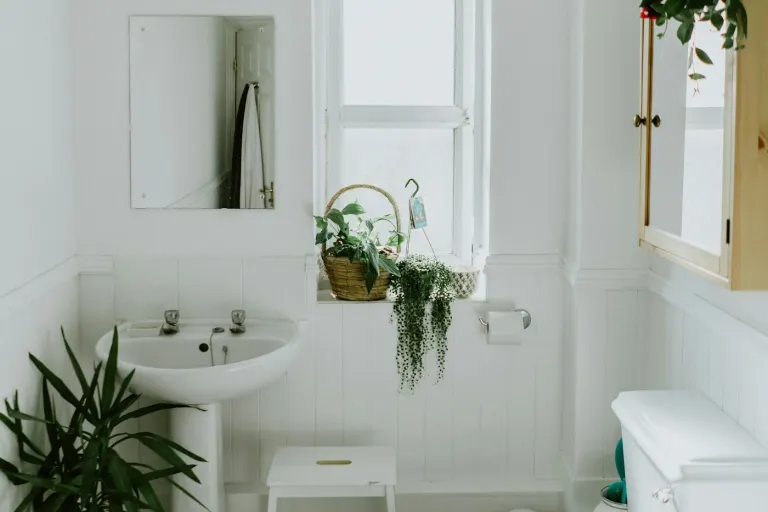
Best plants
Bathroom Plants
Steamy bathrooms can be perfect for humidity-loving plants — if there’s enough light. Here are seven plants that thrive in bathrooms and tips for making them work.
Updated
Quick answer
The best bathroom plants enjoy humidity and tolerate moderate light: Boston fern, calathea, pothos, heartleaf philodendron, peace lily, spider plant and moth orchid. The bathroom needs a window with some daylight (or a grow light) — humidity alone isn’t enough.
Bathrooms are often the most humid room in a home, which makes them ideal for tropical plants that struggle with dry air elsewhere. The catch is light: many bathrooms have small or frosted windows. Check yours with the shadow test in our light guide before choosing.
7 plants that love bathrooms
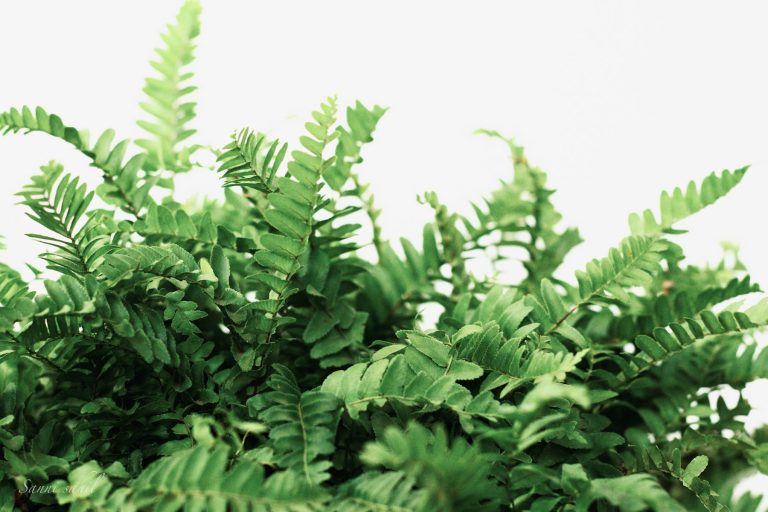
1. Boston fern
Ferns thrive on steamy showers. Keep the soil evenly moist and give it a spot with good indirect light.
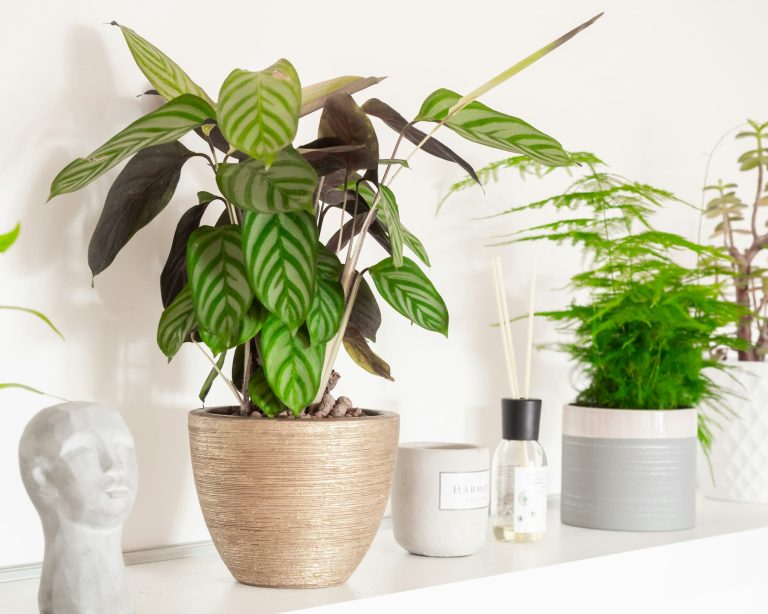
2. Calathea
A humid bathroom can stop the crispy edges calatheas often get in dry living rooms. Use filtered water if tips brown.
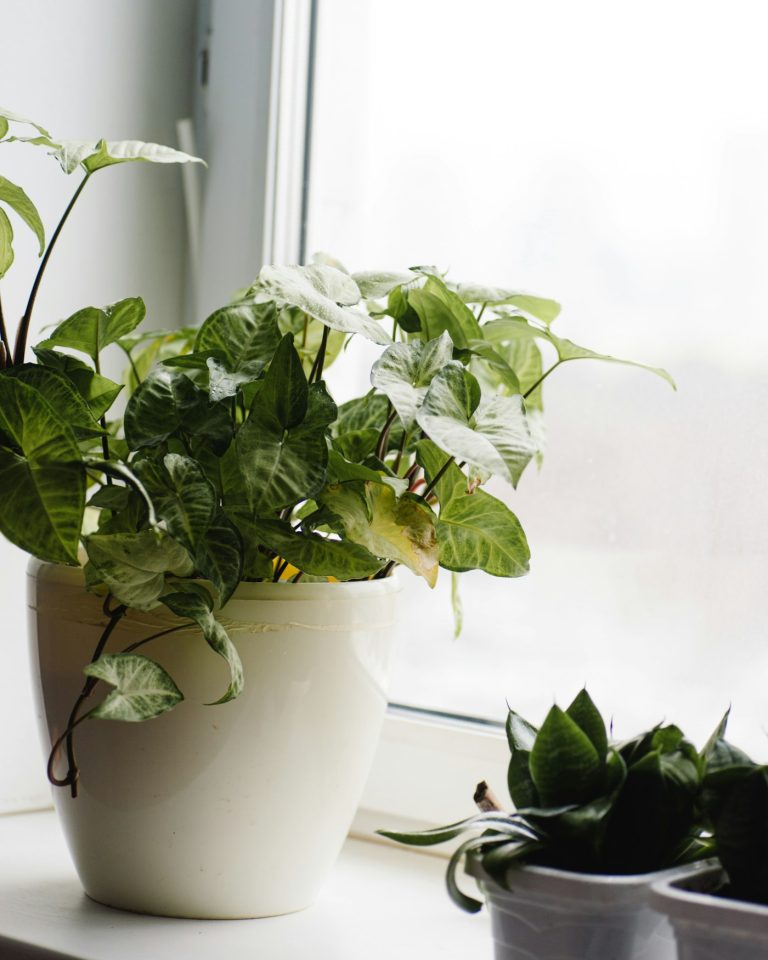
3. Pothos
Trails beautifully from a shelf or over the edge of a cabinet and copes with lower light than most bathroom plants.
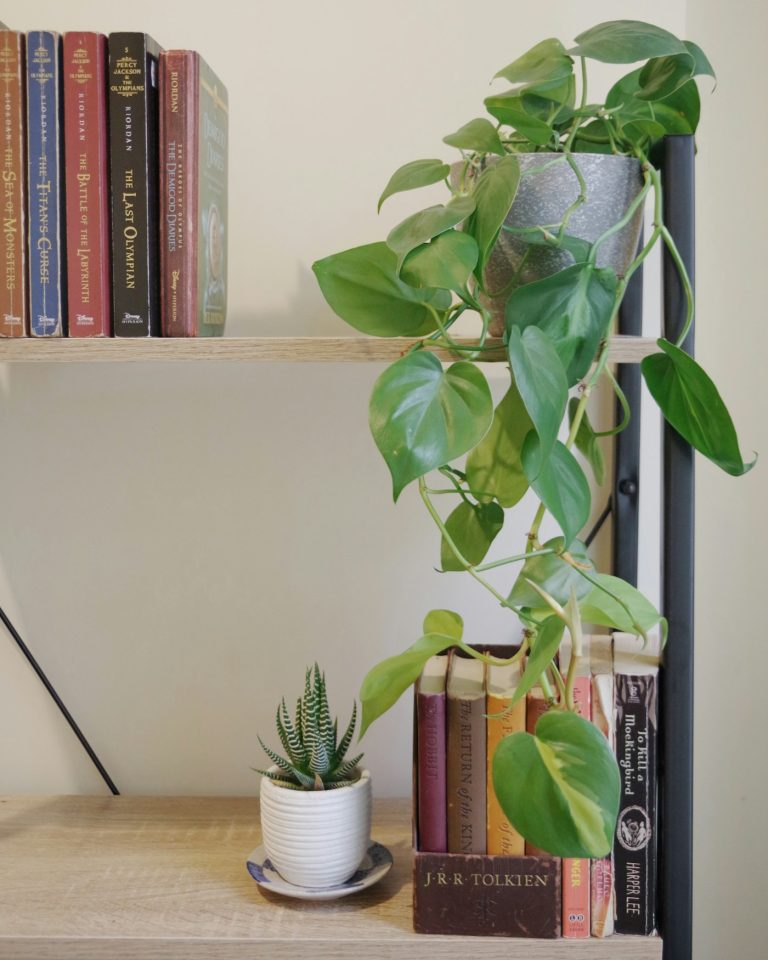
4. Heartleaf philodendron
Enjoys humidity and handles the shade of many bathrooms. Great in a hanging planter.
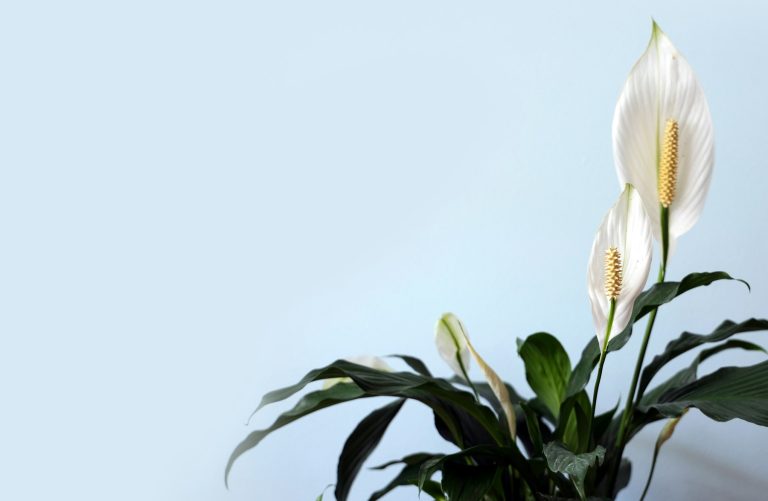
5. Peace lily
Likes both humidity and steady moisture, so bathrooms suit it well. Brighter light encourages blooms.
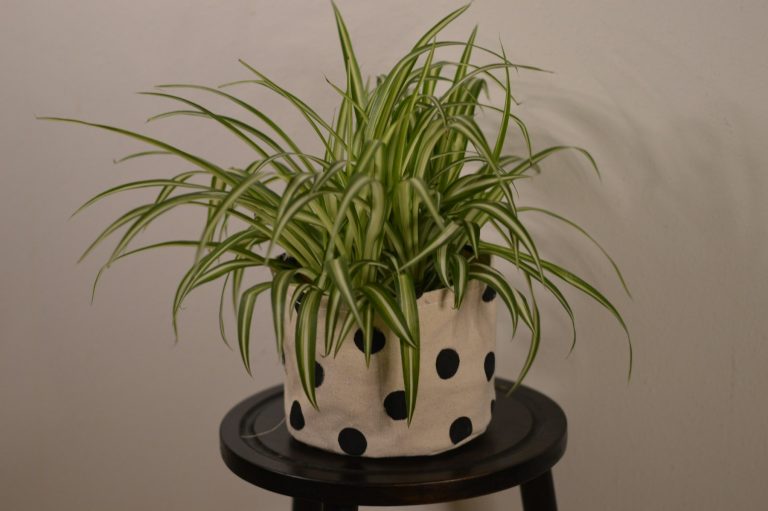
6. Spider plant
Adaptable and pet-friendly, and looks great hanging near a window.
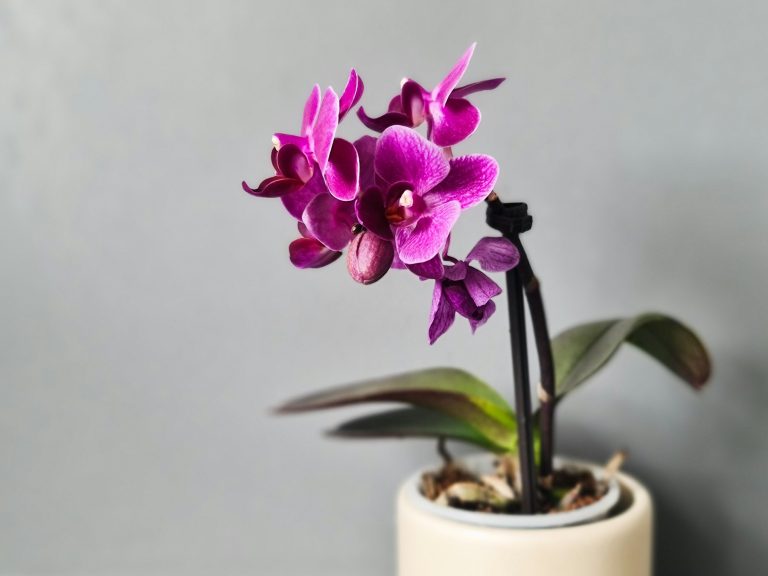
7. Moth orchid
Moth orchids appreciate humidity. A bright bathroom windowsill without harsh direct sun is ideal.
Plants to keep out of the bathroom
Succulents, cacti and aloe prefer dry air and fast-drying soil. Constant humidity and slow-drying pots can make them rot. Keep them in a sunny, drier room instead.
Bathroom plant tips
- Light comes first. A bathroom with no window needs a grow light.
- Water less than you might expect. Humid air slows how fast soil dries.
- Keep airflow moving. Run the fan or crack a window so soil and leaves don’t stay damp.
- Keep plants out of shower spray and away from cleaning products.
- Use hanging planters or shelves to save counter space.
Learn more about humidity in our humidity guide.
Frequently asked questions
Can plants live in a bathroom with no window?
Only with a grow light on a timer. Otherwise, rotate plants to a bright room every week or two.
Is a bathroom too cold for tropical plants in winter?
Some bathrooms get chilly when the heating is off. Keep plants away from cold windows and drafts, and move sensitive plants if the room drops below about 55°F (13°C).
Shopping shortcuts
Shop bathroom plants and plant gear
Links go to Amazon search results so you can compare current prices, sizes and reviews yourself. We don’t list prices or star ratings here because they change constantly.
Helpful plant gear
| Product | Best for | Budget | Link |
|---|---|---|---|
| Indoor Plant Pots | Any room | Budget | View |
| Self-Watering Pot | Busy owners | Mid | View |
| Plant Grow Light | Low-light apartments | Mid | View |
| Moisture Meter For Plants | Beginners | Budget | View |
| Plant Stand Indoor | Floor plants | Mid | View |
| Watering Can Indoor Plants | Daily use | Budget | View |
Before you buy
- Match the product to your plant’s size, light and watering needs.
- Read recent reviews for build-quality problems and check the return window.
- Have pets? Check each plant on the ASPCA toxic and non-toxic plant list.