Why Are My Plant’s Leaves Turning Yellow? 9 Causes and Fixes
Yellow leaves are a plant’s way of saying something’s off. Use this step-by-step checklist to find the cause — from overwatering to low light — and fix it fast.
In this guide
- Start here: a 60-second check
- Overwatering
- Underwatering
- Natural aging
- Not enough light
- Too much direct sun
- Sudden change or shock (and sudden leaf drop)
- Pests
- Nutrient deficiency
- Root-bound or poor-quality soil
- Should you cut off yellow leaves?
- Frequently asked questions
- Sources and further reading
Quick answer
The most common reason houseplant leaves turn yellow is overwatering — soil that stays wet starves roots of air. Other causes include underwatering, not enough light, natural aging of old leaves, a sudden change in environment, pests and a lack of nutrients. Look at which leaves are yellow and how the soil feels to narrow it down.
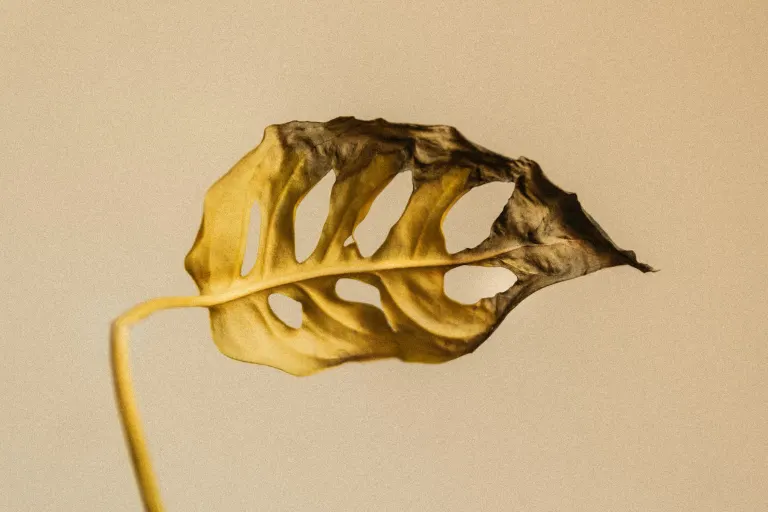
A yellow leaf now and then is normal. Plants recycle older leaves as they grow. But when several leaves turn yellow at once, or new leaves are affected, your plant is telling you something in its care or surroundings needs to change.
Work through the causes below in order. Most people find the answer in the first three.
Start here: a 60-second check
- Feel the soil 2 inches down. Wet, dry or somewhere in between?
- Notice which leaves are yellow. Old leaves at the bottom, new leaves at the top, or random leaves all over?
- Look at the yellow. Soft and limp, or dry and crispy? Even colour, or spots and patches?
- Check under leaves and along stems for webbing, white fluff, sticky residue or tiny moving dots.
- Think back. Did you move, repot or bring the plant home recently?
| What you notice | Most likely cause |
|---|---|
| Yellow, soft leaves; soil wet for days | Overwatering / poor drainage |
| Yellow and crispy; soil bone dry | Underwatering |
| Only one or two of the oldest, lowest leaves | Natural aging |
| Pale yellow leaves, leggy growth, far from window | Not enough light |
| Yellow patches or bleached spots on the window side | Too much direct sun |
| Several leaves yellow and drop after a move | Environmental shock |
| Speckled yellowing, webbing or sticky residue | Pests |
| Older leaves evenly pale; plant hasn’t been fed in a long time | Nutrient deficiency |
1. Overwatering
This is the number one cause. When soil stays soggy, roots can’t get oxygen. They stop working and eventually rot, so the plant can’t take up water or nutrients — even though it’s sitting in water.
Signs: Yellow leaves that feel soft or limp, often starting with lower leaves. Soil that’s still wet several days after watering. Sometimes a sour smell, mushy stems or fungus gnats.
Fix it:
- Stop watering and let the top 2 inches of soil dry out.
- Make sure the pot has a drainage hole and isn’t sitting in a saucer of water.
- If the soil stays wet for more than a week or the plant keeps declining, check the roots for rot — see our guide to saving a plant with root rot.
- Going forward, water only when the soil tells you to. Our watering guide explains how.
2. Underwatering
Signs: Leaves turn yellow, then brown and crispy, often with curling edges. The soil is dry and may pull away from the sides of the pot. The plant droops but perks up quickly after a drink.
Fix it: Water thoroughly until it drains from the bottom. If water runs straight through bone-dry soil, soak the pot in a sink or bowl of water for 20–30 minutes so the soil re-absorbs moisture.
3. Natural aging
As plants grow, they let their oldest leaves go. It’s normal to see one lower leaf turn yellow at a time, especially on pothos, philodendron, peace lily and dracaena, while new growth at the top looks healthy.
Fix it: Nothing to fix. Let the leaf turn fully yellow, then snip it off or pull it gently if it comes away easily.
4. Not enough light
Signs: Lower leaves slowly yellow and drop, new leaves are small and pale, stems stretch toward the window, and the soil stays wet for a long time.
Fix it: Move the plant closer to a window gradually, or add a grow light. Read how much light indoor plants need to find the right spot.
5. Too much direct sun
Signs: Bleached, pale yellow or whitish patches on the leaves facing the window, sometimes with crispy brown spots. Often appears after moving a plant somewhere sunnier.
Fix it: Move the plant a few feet back from the window or filter the light with a sheer curtain. Damaged patches won’t recover, but new growth will be healthy.
6. Sudden change or shock (and sudden leaf drop)
Plants dislike sudden changes. Moving to a new room, a trip home from the store, a cold draft, a blast from a heater or a repot can all trigger a burst of yellow leaves — or leaves that drop while still mostly green. Fiddle leaf figs and weeping figs are especially prone to this.
Fix it: Keep the plant in a stable spot with consistent light and temperature, away from vents and drafty doors. Don’t overcorrect by watering more. Most plants settle down within a few weeks.
7. Pests
Signs: Tiny yellow speckles (stippling), fine webbing, white cottony clumps, sticky leaves or small bumps on stems. Leaves may yellow unevenly and drop.
Fix it: Isolate the plant from others, rinse leaves in the shower, and treat based on the pest. Our houseplant pests guide covers spider mites, mealybugs, scale, aphids and thrips.
8. Nutrient deficiency
Signs: Older leaves turn evenly pale yellow while veins may stay greener, and growth is slow — usually in a plant that hasn’t been repotted or fed in a long time.
Fix it: During spring and summer, use a balanced houseplant fertilizer at the label rate. If the plant has been in the same soil for years, repotting into fresh mix often helps more than extra fertilizer.
9. Root-bound or poor-quality soil
Signs: Roots circle the pot or poke out of the drainage hole, water runs straight through, and the plant yellows despite regular care.
Fix it: Move the plant to a pot 1–2 inches wider with fresh, well-draining potting mix.
Should you cut off yellow leaves?
Yes. A leaf that’s mostly yellow won’t turn green again, and removing it keeps the plant tidy and lets it focus energy on healthy growth. Use clean scissors and cut close to the stem. If a leaf is only partly yellow, you can wait — the plant may still be pulling nutrients back from it.
Fix one thing at a time
It’s tempting to repot, fertilize, move and change your watering all at once. That makes it hard to know what helped — and piling on changes adds stress. Start with the most likely cause, wait a couple of weeks, then reassess.
Frequently asked questions
Can a yellow leaf turn green again?
Usually not. Once most of the green (chlorophyll) is gone, the leaf won’t recover. The goal is to stop new leaves from yellowing.
Why are the new leaves on my plant yellow?
Yellowing on new growth is less common than on old leaves. It can point to root problems from overwatering, very low light, or a nutrient issue. Check the roots and light first.
My pothos has yellow leaves. What should I do?
For pothos, overwatering is the usual culprit, followed by low light. Let the soil dry more between waterings and move it somewhere brighter. See our full pothos care guide.
Is it normal for a snake plant leaf to turn yellow?
A yellow, soft snake plant leaf is almost always a sign of too much water. Snake plants need their soil to dry out nearly completely. Read our snake plant care guide.
Sources and further reading
- UC Statewide IPM Program — Houseplant Problems
- University of Minnesota Extension — Watering houseplants