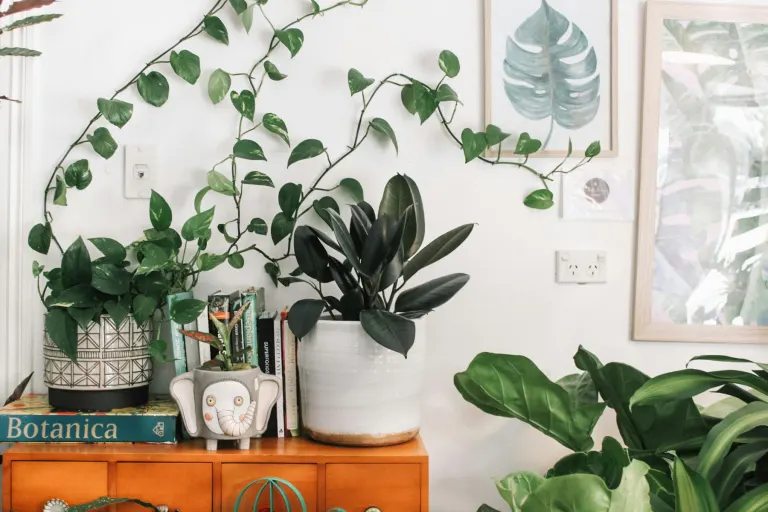
Best plants
Best Indoor Plants
Twelve reliable houseplants for real homes — chosen for how forgiving they are, how they cope with typical indoor light, and how well they suit beginners, pets and busy schedules.
Updated
Our top picks at a glance
Easiest overall: snake plant, ZZ plant and pothos. Best statement plant: monstera. Best for pet owners: spider plant, parlor palm and calathea. Best flowering plant for beginners: peace lily.
There’s no single “best” houseplant — the right choice depends on your light, your schedule and who else lives with you. These twelve plants earn their place because they’re widely available, adapt well to normal homes and are forgiving while you learn.
Not sure which suits you? Take our Plant Match Quiz or check how much light your spot gets first.
How we chose these plants
- Forgiving: tolerates the occasional missed watering or less-than-perfect light.
- Adaptable: grows in typical indoor temperatures and humidity.
- Easy to find: sold at most garden centres and online.
- Clear pet information: toxicity checked against the ASPCA plant database.
Comparison table
| Plant | Light | Water | Pets (ASPCA) | Difficulty |
|---|---|---|---|---|
| Snake plant | Low to bright | Every 2–4 weeks | Toxic | Very easy |
| ZZ plant | Low to bright | Every 2–4 weeks | Toxic | Very easy |
| Pothos | Low to bright | Top 1–2 in. dry | Toxic | Very easy |
| Spider plant | Medium to bright | Top inch dry | Non-toxic | Easy |
| Heartleaf philodendron | Low to bright | Top 1–2 in. dry | Toxic | Easy |
| Peace lily | Medium to bright | Top inch dry | Toxic | Easy |
| Monstera | Bright indirect | Top 2 in. dry | Toxic | Easy |
| Rubber plant | Bright indirect | Top 2 in. dry | Toxic | Easy |
| Parlor palm | Low to medium | Top inch dry | Non-toxic | Easy |
| Hoya | Bright indirect | Mostly dry | Non-toxic (Hoya carnosa) | Easy |
| Peperomia | Medium to bright | Mostly dry | Non-toxic | Easy |
| Calathea | Medium indirect | Lightly moist | Non-toxic | Moderate |
The 12 best indoor plants
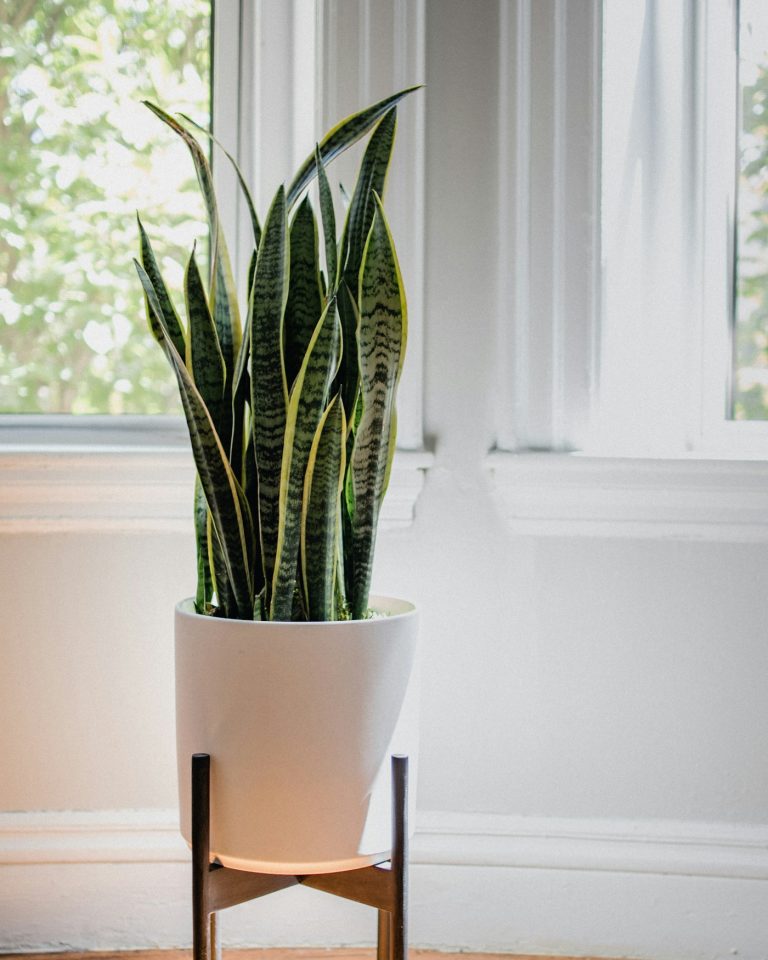
1. Snake plant
Upright, architectural leaves that cope with dim corners and long gaps between waterings. The main risk is overwatering — let the soil dry out almost completely.
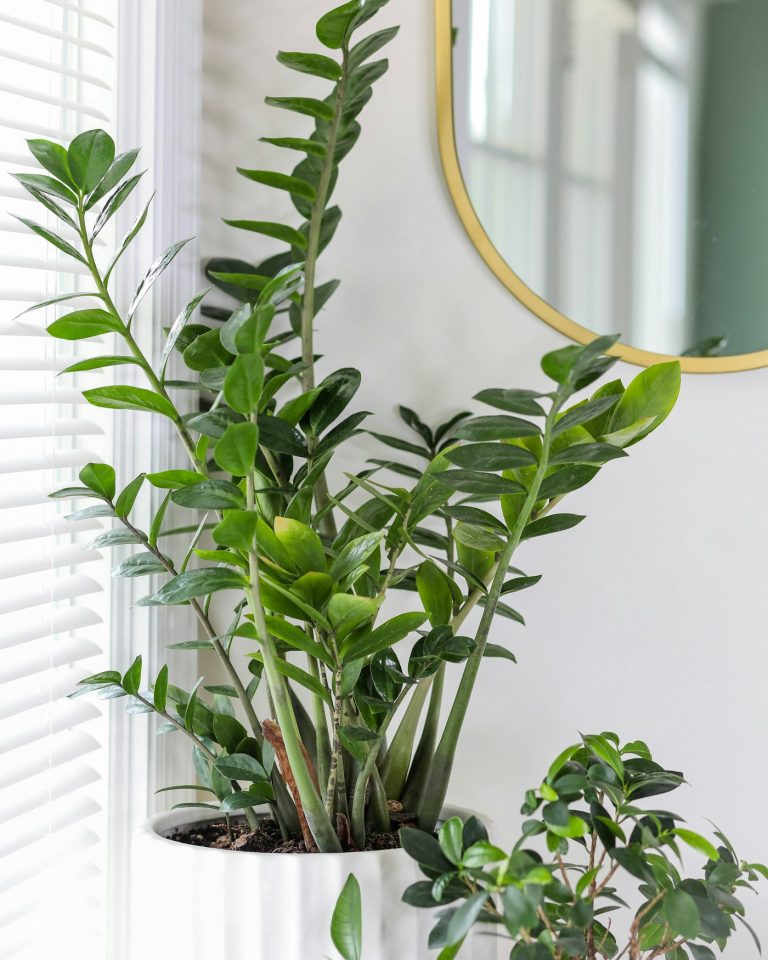
2. ZZ plant
Glossy, almost waxy leaves on arching stems. Thick underground rhizomes store water, so it handles neglect better than almost any plant. Great for offices and low-light rooms.
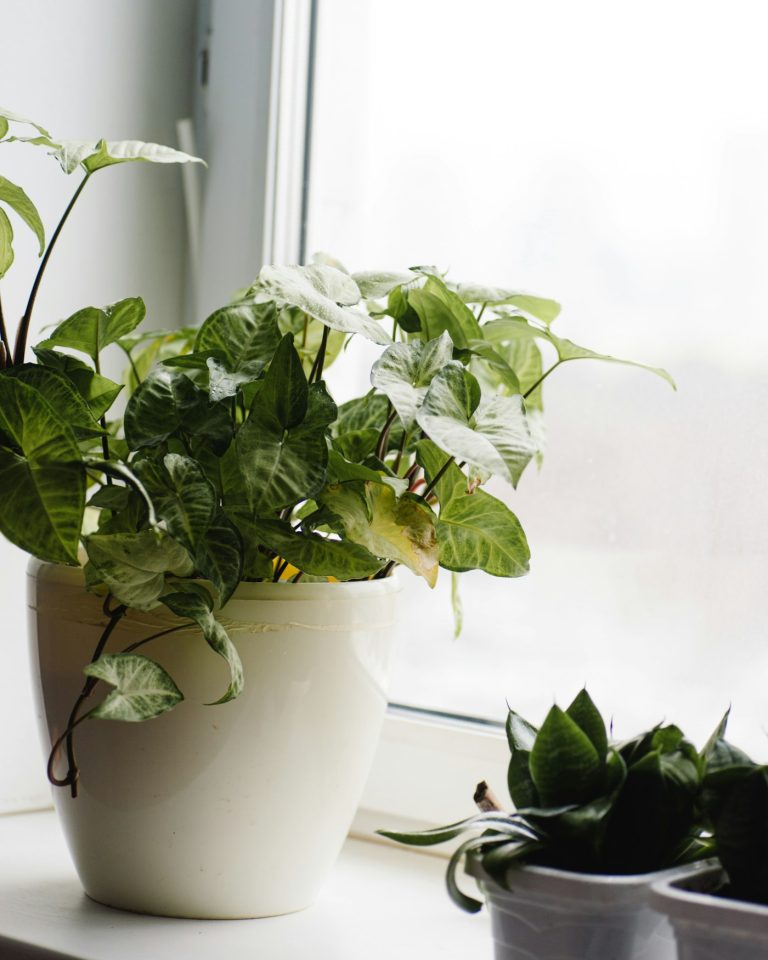
3. Pothos
Fast-growing and expressive — it droops when thirsty and perks up after a drink. Perfect for shelves and hanging baskets, and one of the easiest plants to propagate.
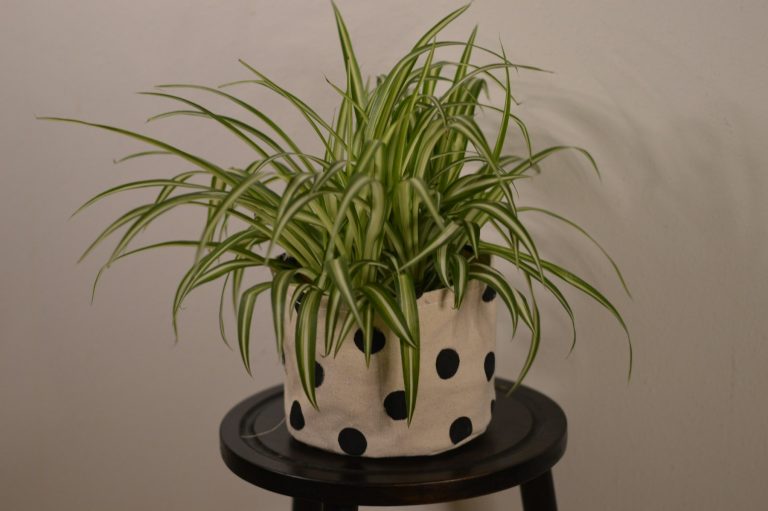
4. Spider plant
Arching striped leaves and dangling “spiderettes” you can root into new plants. Cats sometimes like to nibble them, so hang them up if yours does.
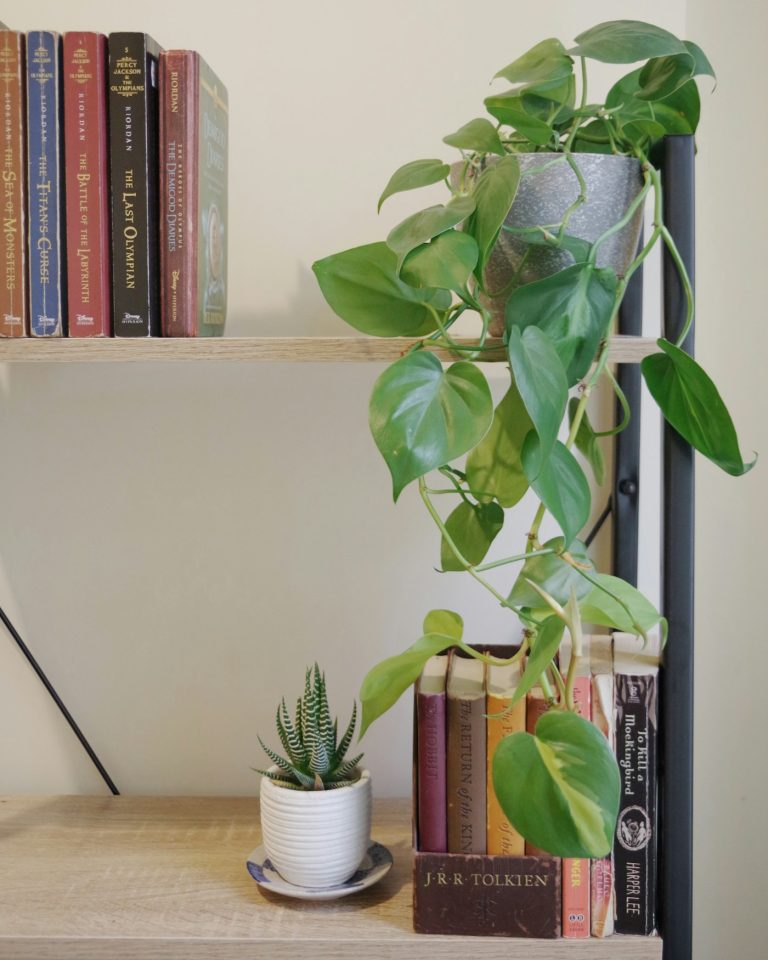
5. Heartleaf philodendron
Soft, heart-shaped leaves on long vines. Care is very similar to pothos, and it’s just as happy trailing from a bookshelf or climbing a small trellis.
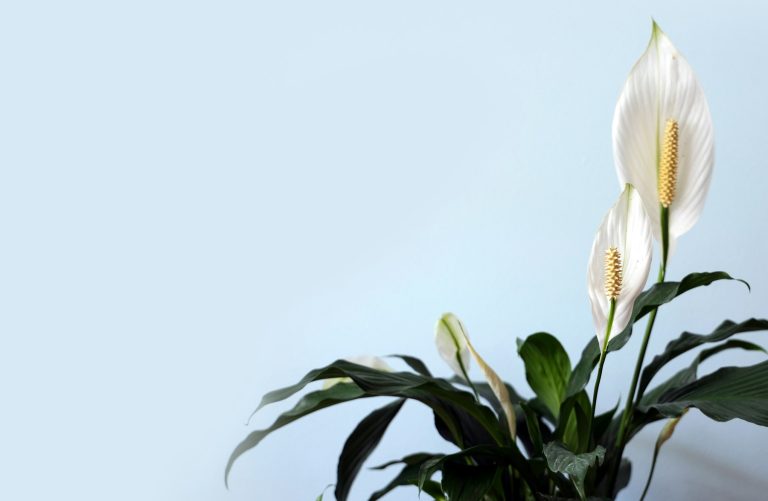
6. Peace lily
One of the few easy houseplants that flowers indoors. It droops dramatically when dry, which makes it a helpful teacher for new plant owners.
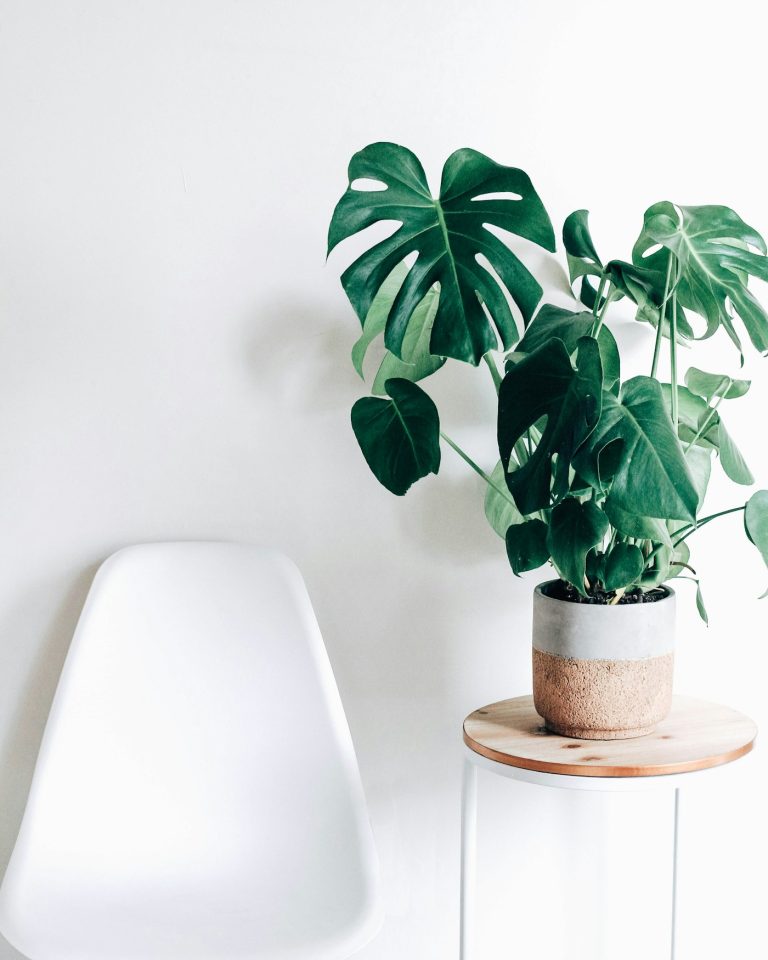
7. Monstera deliciosa
Big, split leaves that instantly make a room feel lush. It needs space and good light, and grows best with a moss pole to climb.
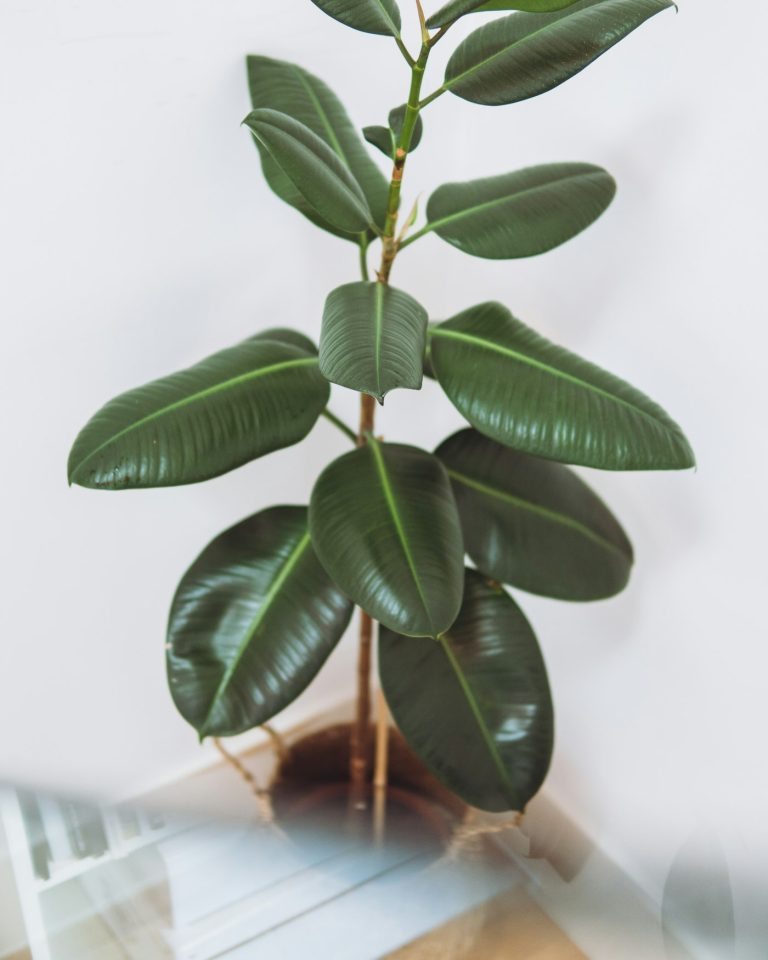
8. Rubber plant
Thick, glossy leaves in deep green or burgundy. Tougher and less fussy than a fiddle leaf fig, with a similar indoor-tree look.
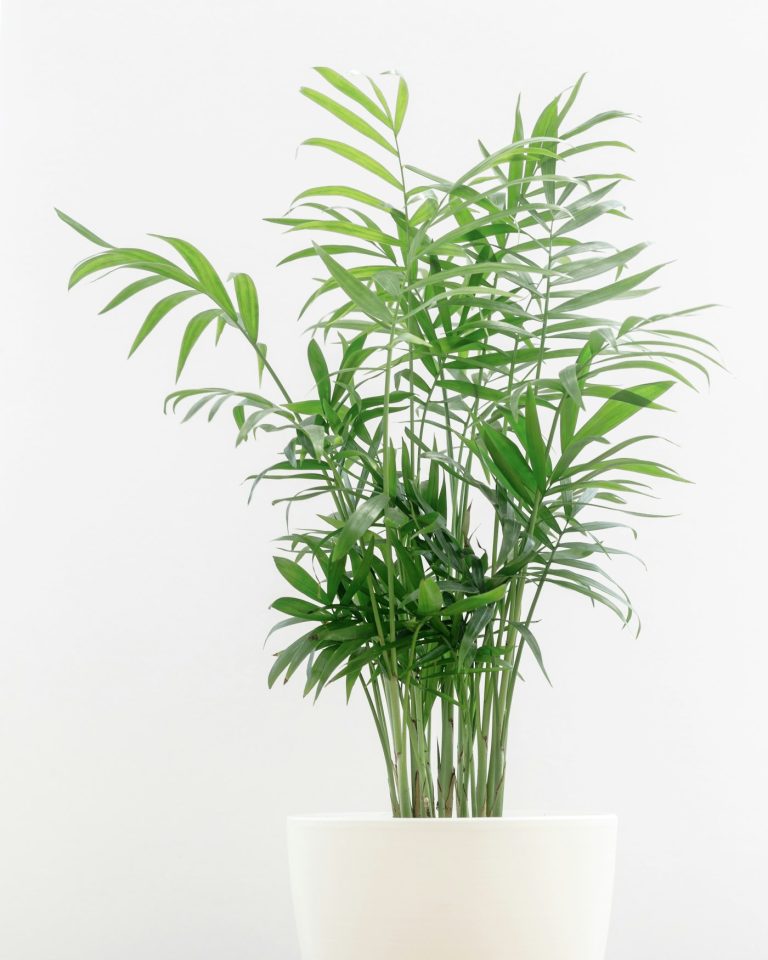
9. Parlor palm
A classic, slow-growing palm that tolerates lower light better than most palms. Keep the soil lightly moist and away from heaters.
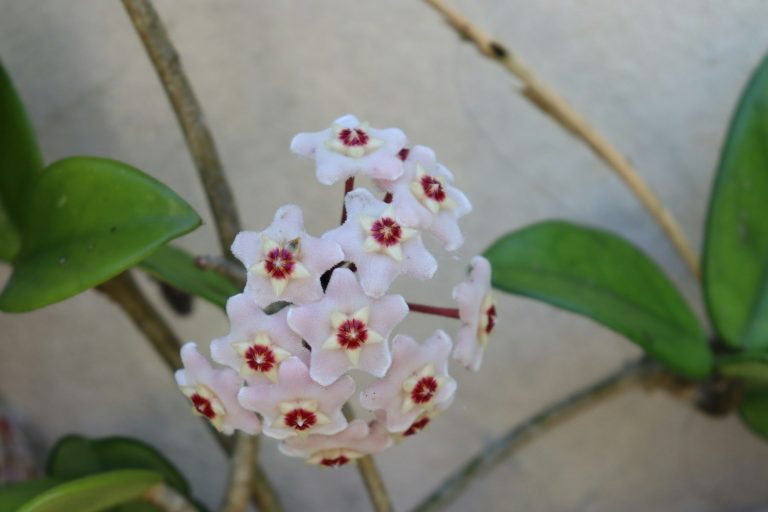
10. Hoya
Semi-succulent leaves that store water and, with enough light, clusters of star-shaped, often fragrant flowers. Let it dry out between waterings.
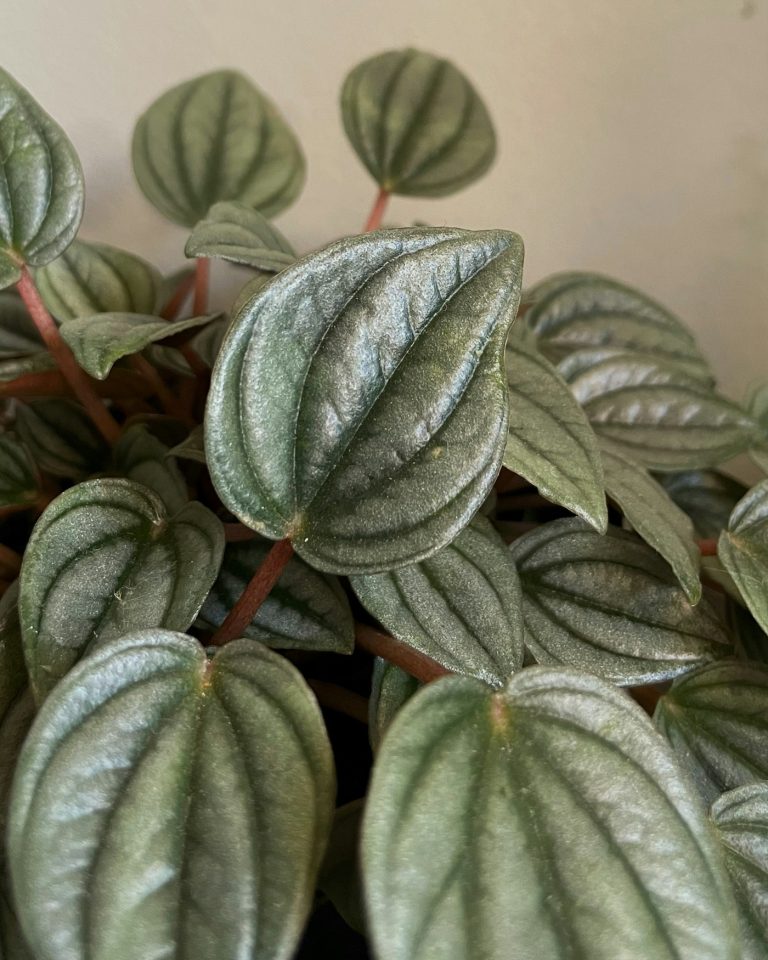
11. Peperomia
Small, thick-leaved plants in dozens of shapes and patterns. Ideal for desks and windowsills, and happy to dry out a little between waterings.
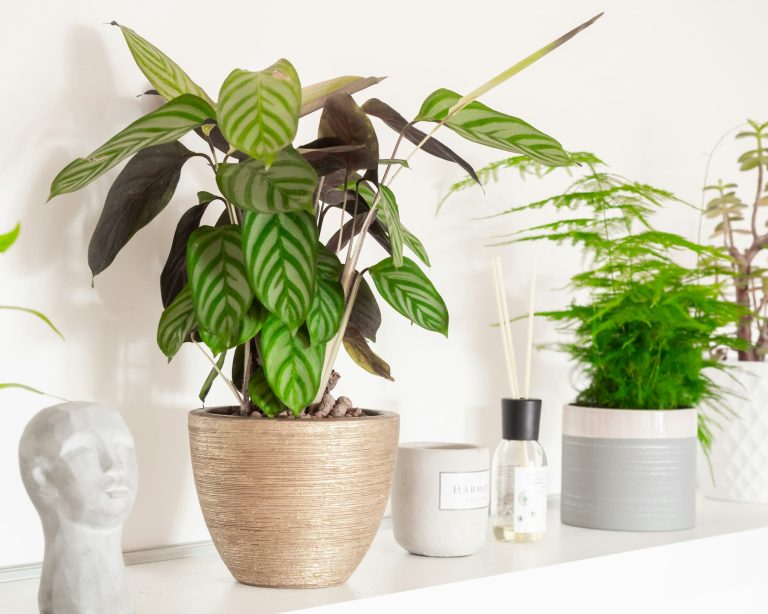
12. Calathea
Stunning painted leaves that fold up at night. It’s the fussiest plant on this list — it wants steady moisture, higher humidity and filtered water — but it’s pet-safe and rewarding.
How to keep any new plant happy
- Match the plant to your light before you buy.
- Use a pot with a drainage hole and a potting mix that suits the plant.
- Check the soil before watering — see how often to water houseplants.
- Give it a few weeks to settle before repotting or moving it around.
- Learn the early warning signs in our common mistakes guide.
Frequently asked questions
What is the hardest houseplant to kill?
Snake plants and ZZ plants are usually considered the most forgiving, because they store water and tolerate low light. They are still easily killed by overwatering.
Which indoor plants are safe for cats and dogs?
From this list, spider plant, parlor palm, calathea, peperomia and Hoya carnosa are listed as non-toxic by the ASPCA. See our full pet-safe plant guide.
Do indoor plants clean the air?
Plants make homes feel fresher and more pleasant, but a normal number of houseplants isn’t a replacement for ventilation or an air purifier. Choose plants for their beauty and how well they suit your space.
Explore more shortlists: easy plants for beginners, low-light plants, bedroom plants and office plants.
Shopping shortcuts
Shop best indoor plants and plant gear
Links go to Amazon search results so you can compare current prices, sizes and reviews yourself. We don’t list prices or star ratings here because they change constantly.
Helpful plant gear
| Product | Best for | Budget | Link |
|---|---|---|---|
| Indoor Plant Pots | Any room | Budget | View |
| Self-Watering Pot | Busy owners | Mid | View |
| Plant Grow Light | Low-light apartments | Mid | View |
| Moisture Meter For Plants | Beginners | Budget | View |
| Plant Stand Indoor | Floor plants | Mid | View |
| Watering Can Indoor Plants | Daily use | Budget | View |
Before you buy
- Match the product to your plant’s size, light and watering needs.
- Read recent reviews for build-quality problems and check the return window.
- Have pets? Check each plant on the ASPCA toxic and non-toxic plant list.