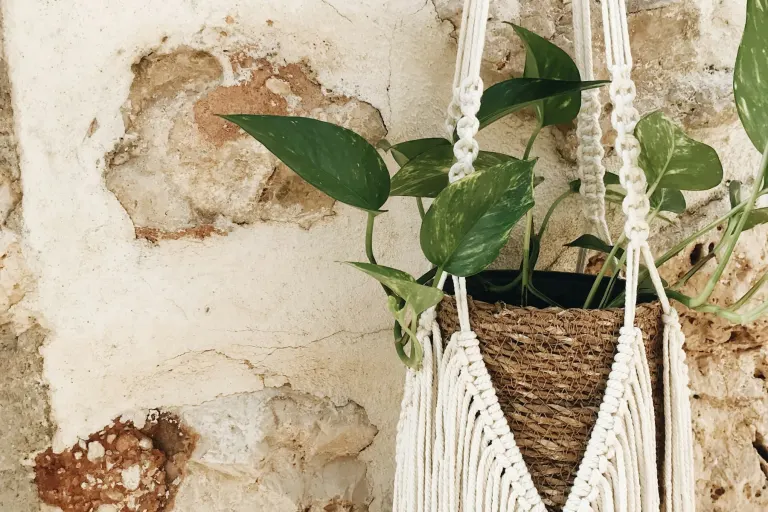
Best plants
Hanging Plants
Trailing plants add greenery without using floor space. Here are the easiest hanging plants, how to water them without the mess, and tips for choosing the right spot.
Updated
Quick answer
The easiest indoor hanging plants are pothos, heartleaf philodendron, spider plant, hoya and Boston fern. For pet homes, spider plant, hoya (Hoya carnosa) and Boston fern are listed as non-toxic by the ASPCA.
Hanging plants make small spaces feel lush and keep leaves out of reach of curious pets and toddlers. The trade-off: plants near the ceiling can get less light and warmer, drier air, and watering them takes a little planning.
5 easy hanging plants
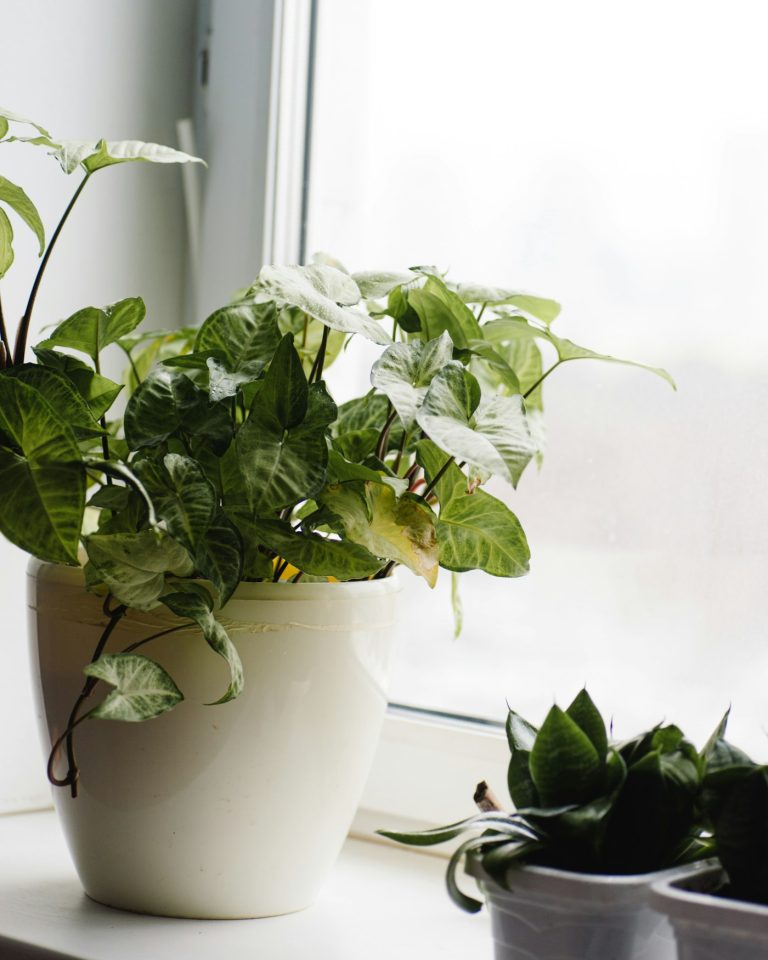
1. Pothos
The classic hanging plant. Vines can trail several feet, and you can trim them to keep things tidy.
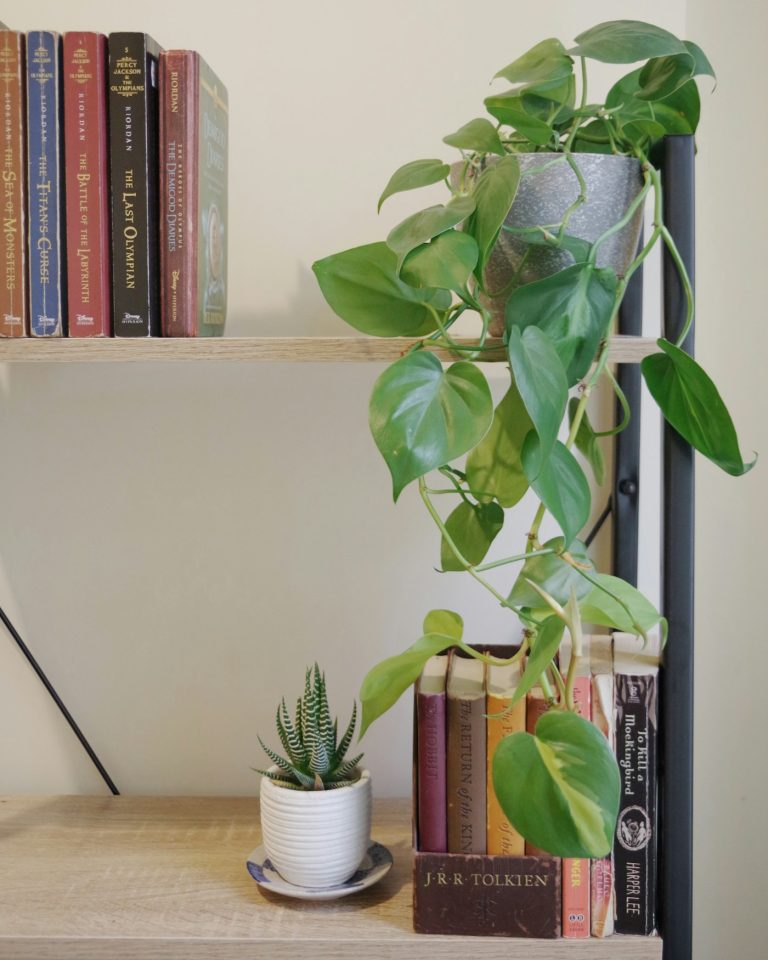
2. Heartleaf philodendron
Soft, heart-shaped leaves on long vines. Very tolerant of lower light.
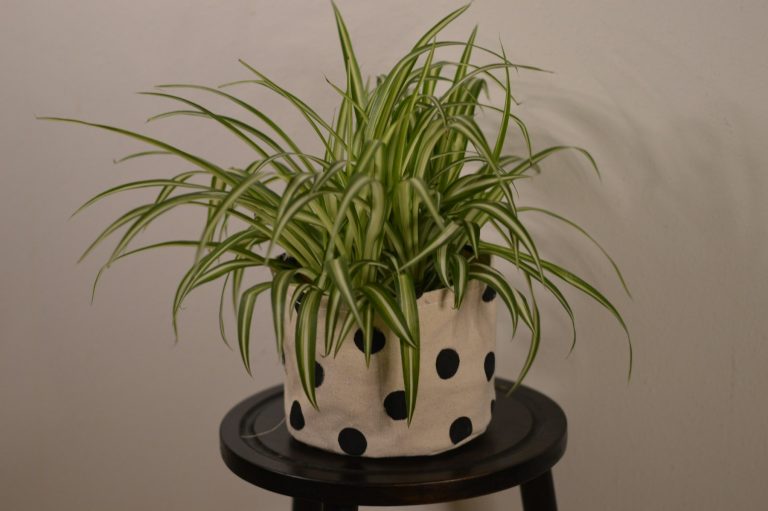
3. Spider plant
Arching leaves and hanging baby plants look best from above. A great pet-friendly choice.
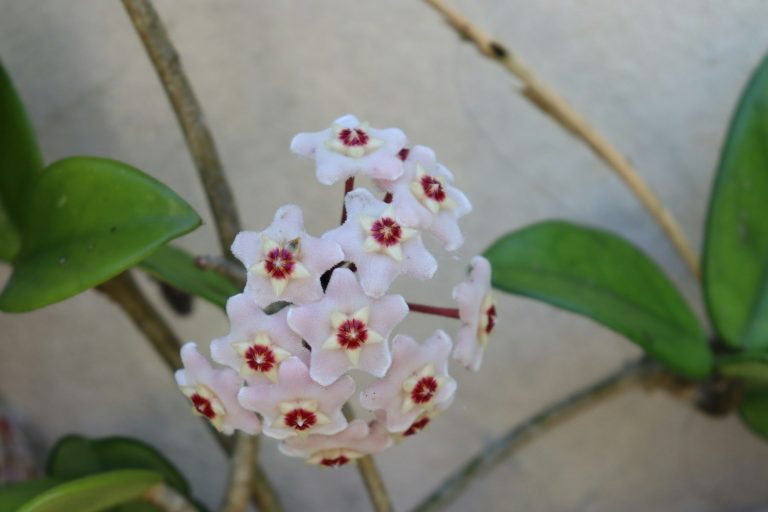
4. Hoya
Waxy trailing vines that tolerate some dryness. Hang near a bright window for flowers.
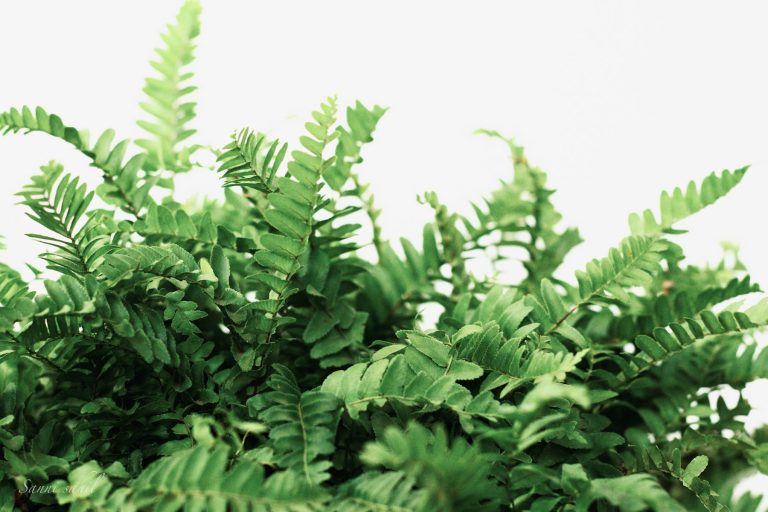
5. Boston fern
Full, feathery fronds that look spectacular in a hanging basket. Needs steady moisture — great for bathrooms.
More trailing plants to try
Once you’re comfortable, try string of hearts, tradescantia, satin pothos (Scindapsus) or trailing peperomias. Check the pet safety of each before hanging it within reach.
How to water hanging plants without the mess
- Use a pot with drainage inside a hanging planter or macrame holder, so you can lift it out.
- Take it down to the sink or shower, water thoroughly and let it drain for 15 minutes.
- Or use a long-spout watering can and water slowly, with a drip saucer underneath.
- Check soil more often in summer. Warm air near the ceiling dries pots quickly.
Where to hang plants
- Near a window where the plant gets bright, indirect light.
- Away from heating vents and radiators that dry the air.
- From a ceiling hook rated for the weight of a watered pot.
- Where you can easily reach it to water and check for pests.
Browse indoor plant pots for planter ideas, or see all our best indoor plants.
Frequently asked questions
Why is my hanging plant bare on top?
Usually not enough light reaches the top, or the vines have grown long without pruning. Trim long vines and replant the cuttings in the top of the pot.
How often should I water a hanging plant?
Check the soil at least weekly — hanging pots often dry faster than pots on the floor. Water when the top inch or two is dry for most trailing plants.
Shopping shortcuts
Shop hanging plants and plant gear
Links go to Amazon search results so you can compare current prices, sizes and reviews yourself. We don’t list prices or star ratings here because they change constantly.
Helpful plant gear
| Product | Best for | Budget | Link |
|---|---|---|---|
| Indoor Plant Pots | Any room | Budget | View |
| Self-Watering Pot | Busy owners | Mid | View |
| Plant Grow Light | Low-light apartments | Mid | View |
| Moisture Meter For Plants | Beginners | Budget | View |
| Plant Stand Indoor | Floor plants | Mid | View |
| Watering Can Indoor Plants | Daily use | Budget | View |
Before you buy
- Match the product to your plant’s size, light and watering needs.
- Read recent reviews for build-quality problems and check the return window.
- Have pets? Check each plant on the ASPCA toxic and non-toxic plant list.