Potting Mix Basics: How to Choose the Right Soil for Indoor Plants
The wrong soil causes soggy roots, fungus gnats and slow growth. Learn what’s in a good potting mix, which blend suits your plant, and three simple DIY recipes.
In this guide
Quick answer
Use a bagged indoor potting mix, never garden soil. For most leafy tropical plants, a standard potting mix with extra perlite or orchid bark for drainage works well. Succulents and snake plants need a gritty, fast-draining cactus mix. Moisture lovers like ferns do best in a mix that holds a little more water. Always pair good soil with a pot that has a drainage hole.
Soil does three jobs for a potted plant: it holds water, it holds air, and it holds the plant upright. Roots need both water and air. When soil is too dense, water fills every gap, the roots can’t breathe, and problems like root rot follow.
Why you shouldn’t use garden soil indoors
Soil from the garden is heavy. In a pot, it packs down, drains poorly and can bring in weed seeds, insects and disease. Bagged potting mix (sometimes called “potting soil”) is made to stay light and airy in containers. Despite the name, many potting mixes contain little or no actual soil.
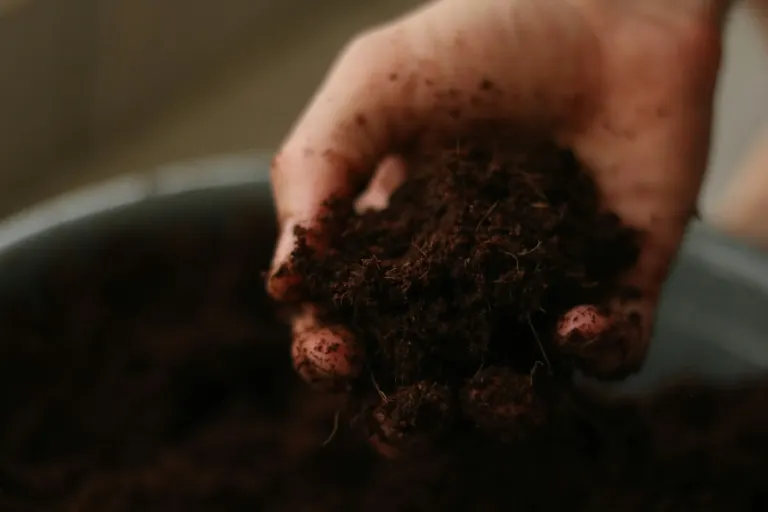
What’s in a good potting mix?
| Ingredient | What it does | Good to know |
|---|---|---|
| Peat moss or coco coir | Holds water and nutrients; forms the base of most mixes | Coco coir is a popular renewable alternative to peat. Both can be hard to re-wet if they dry out completely. |
| Perlite | White, lightweight volcanic glass that adds air pockets and drainage | The easiest way to make any mix drain better |
| Pumice | Porous stone that adds drainage and weight | Great for succulents and top-heavy plants; doesn’t float to the top like perlite |
| Orchid bark | Chunky pieces that create big air gaps | Loved by monstera, philodendron and other aroids |
| Compost or worm castings | Adds gentle nutrients and helps structure | A small amount goes a long way |
| Horticultural charcoal | Adds chunkiness | Optional; not required for healthy plants |
Which mix does your plant need?
Everyday tropical foliage plants
Pothos, philodendron, peace lily, spider plant and similar plants do well in standard indoor potting mix. If your pot dries slowly or you tend to overwater, mix in extra perlite.
Aroids (monstera, philodendron, anthurium)
These have thick roots that like lots of air. A chunkier “aroid mix” with bark and perlite helps them thrive and reduces the risk of soggy roots. See our monstera care guide.
Succulents, cacti and snake plants
Use a gritty cactus and succulent mix, or add plenty of pumice or perlite to regular mix. Water should drain almost instantly. Read more in our snake plant care guide.
Ferns and calatheas
These like soil that stays evenly moist but not wet. A standard mix with a little extra coir and some perlite is a good balance.
Orchids
Most common orchids, like the moth orchid, grow in chunky bark or sphagnum moss rather than soil. Regular potting mix will suffocate their roots.
Three simple DIY potting mix recipes
These are flexible starting points. “Parts” can be any scoop you like — a cup, a trowel or a small pot.
| Mix | Recipe | Best for |
|---|---|---|
| All-purpose houseplant mix | 3 parts potting mix + 1 part perlite | Pothos, peace lily, spider plant, rubber plant |
| Chunky aroid mix | 2 parts potting mix + 1 part orchid bark + 1 part perlite | Monstera, philodendron, anthurium |
| Fast-draining succulent mix | 1 part potting mix + 1 part pumice or perlite + 1 part coarse grit | Snake plant, ZZ plant, succulents, cacti |
Want a recipe tailored to your plant, pot and watering habits? Try our free Soil Mix Generator.
The drainage myth: skip the gravel layer
Don’t put rocks in the bottom of the pot
It’s a common tip, but a layer of gravel or pebbles doesn’t improve drainage. Water doesn’t move easily from fine soil into coarse gravel, so it tends to collect in the soil just above the rocks — right where roots are. A drainage hole and an airy mix do the job properly.
How often to refresh potting mix
Potting mix slowly breaks down, packs tighter and holds more water over time. Refresh it every one to two years when you repot, even if the plant doesn’t need a bigger pot. Signs it’s time: water pools on top, the soil smells sour, or a white crust builds up on the surface.
Soil problems and quick fixes
- Water sits on top: the mix is compacted or bone dry. Soak from the bottom, then repot into fresher, airier mix.
- White crust on soil: mineral or fertilizer salts. Flush with plenty of water or scrape off the top layer.
- Tiny flies around the pot: likely fungus gnats living in damp mix. See how to get rid of fungus gnats.
- Fuzzy white mould on top: usually harmless but a sign the surface stays too wet. Scrape it off, let the soil dry more between waterings and improve airflow.
Frequently asked questions
What’s the difference between potting mix and potting soil?
The terms are often used the same way on bags. Look at the ingredients instead of the name: you want a light, fluffy blend made for containers, not heavy topsoil or garden soil.
Can I reuse old potting mix?
You can mix a small amount of old mix into outdoor garden beds, but it’s best not to reuse it for houseplants. Old mix is compacted, low in nutrients and may carry pests or disease.
Does potting mix have fertilizer in it?
Many do contain a small starter charge of fertilizer that lasts a few weeks to a few months. Check the bag. After that, feed during the growing season with a balanced houseplant fertilizer at the label rate.
Sources and further reading
- University of Missouri Extension — Caring for Houseplants
- West Virginia University Extension — Common Houseplant Care