Best plants
Pet-Safe Indoor Plants
Eight popular houseplants listed as non-toxic to cats and dogs by the ASPCA — plus common toxic plants to avoid and practical tips for keeping curious pets and plants apart.
Updated
Quick answer
Popular houseplants listed as non-toxic to cats and dogs by the ASPCA include spider plant, parlor palm, calathea, prayer plant, Boston fern, peperomia, hoya (Hoya carnosa) and moth orchid. “Non-toxic” means not poisonous — eating any plant can still upset a pet’s stomach, so discourage chewing.
If your pet has eaten a plant
Contact your veterinarian or an animal poison control service right away, especially if you see drooling, vomiting, pawing at the mouth, lethargy or trouble breathing. In the US, the ASPCA Animal Poison Control Center is available 24/7 (a consultation fee may apply). Take a photo or the plant tag with you so the vet knows exactly what was eaten.
Plant names can be confusing — common names are shared by very different plants. Always check the botanical name against the ASPCA toxic and non-toxic plant list before bringing a plant home. The toxicity notes on this page were checked against that list, but they are general information, not veterinary advice.
8 pet-safe houseplants
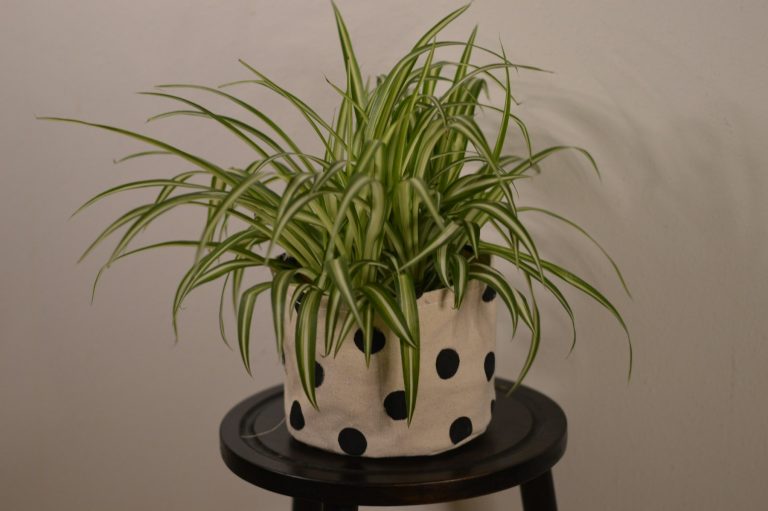
1. Spider plant (Chlorophytum comosum)
Easy, fast-growing and tolerant of beginner mistakes. Many cats find the dangling leaves irresistible, so hang it out of reach to protect the plant (and avoid tummy upsets).
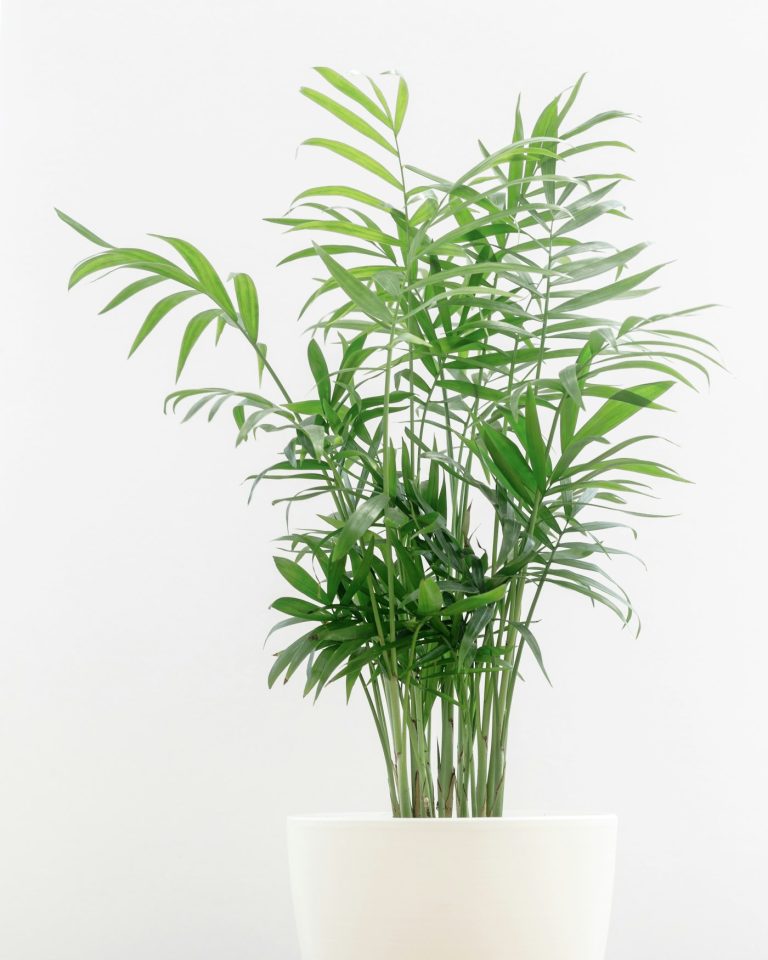
2. Parlor palm (Chamaedorea elegans)
A soft, graceful palm that tolerates lower light. A great pet-friendly alternative to toxic floor plants like dracaena.
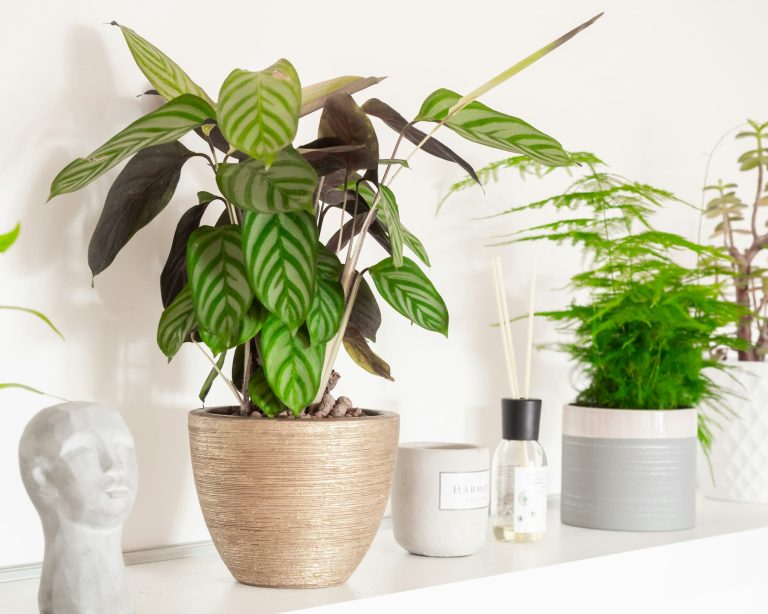
3. Calathea (Goeppertia / Calathea spp.)
Beautifully patterned leaves. Calatheas like steady moisture, higher humidity and filtered water — see our humidity guide.
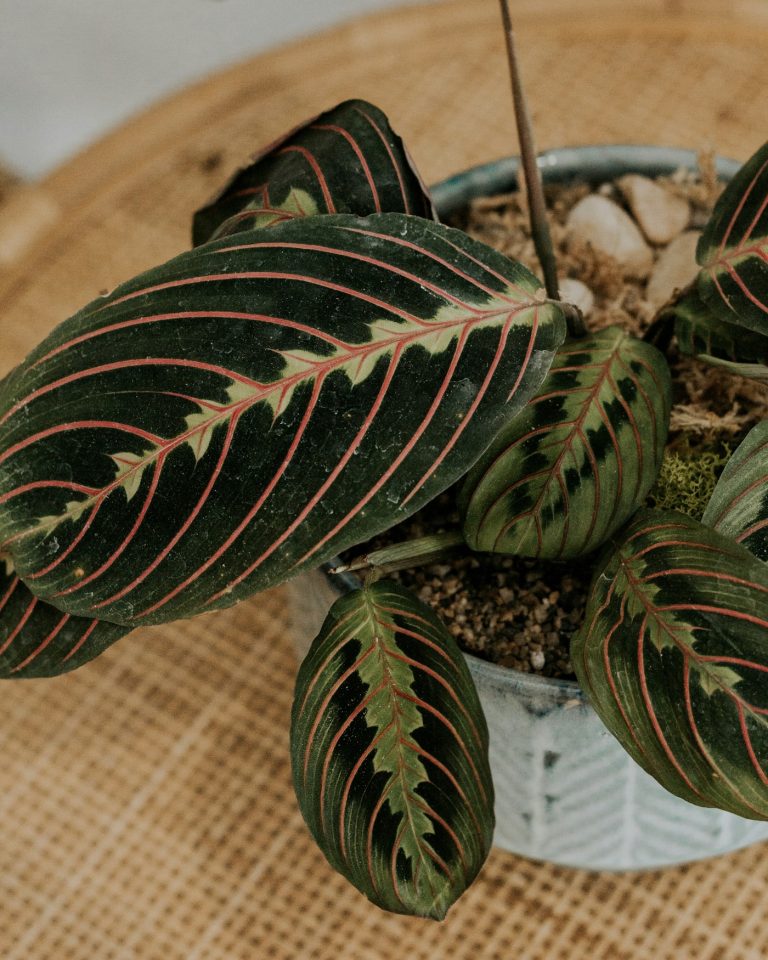
4. Prayer plant (Maranta leuconeura)
Red-veined leaves that fold up at night like hands in prayer. Similar care to calathea, but a little more forgiving.
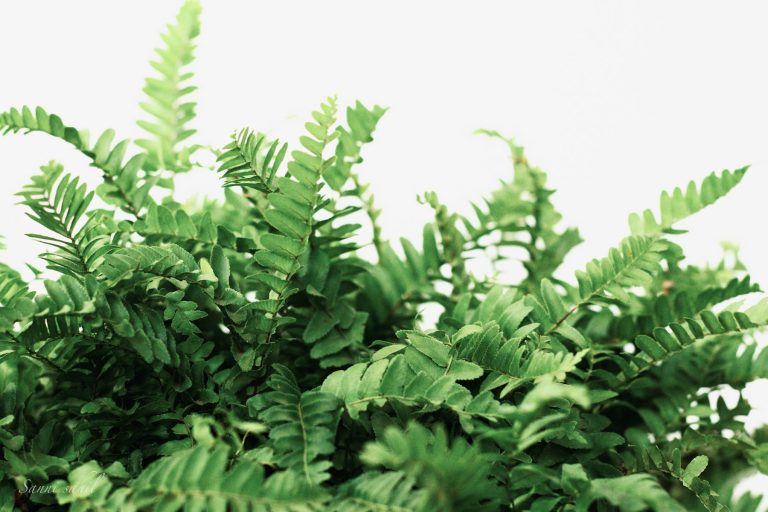
5. Boston fern (Nephrolepis exaltata)
Lush, arching fronds that shine in bathrooms and bright, humid spots. Keep the soil evenly moist.
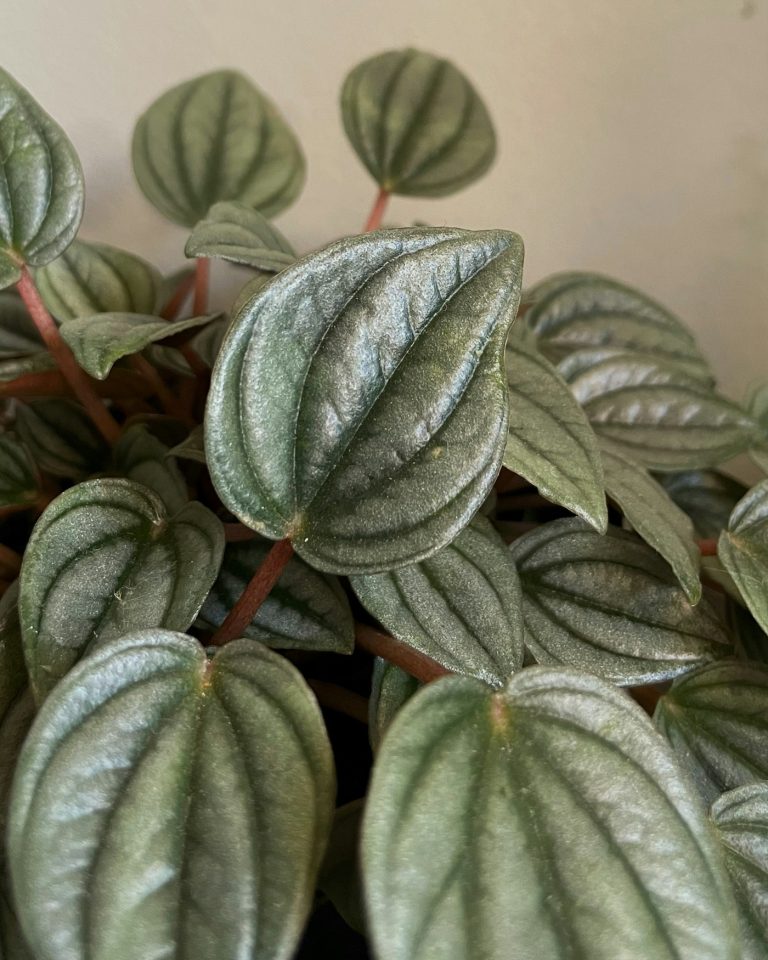
6. Peperomia (Peperomia spp.)
Small, chunky-leaved plants that are perfect for shelves and desks. Let them dry out a bit between waterings.
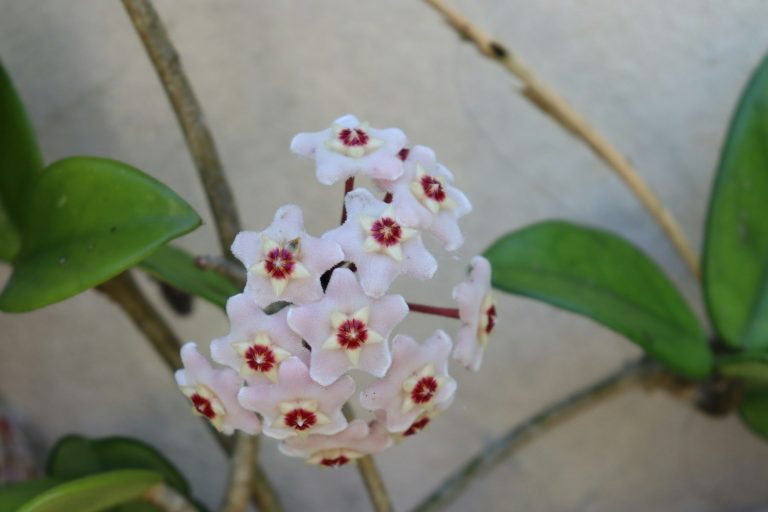
7. Hoya (Hoya carnosa)
A trailing plant with waxy leaves and, in good light, fragrant flower clusters. A pet-safe alternative to pothos in hanging planters.
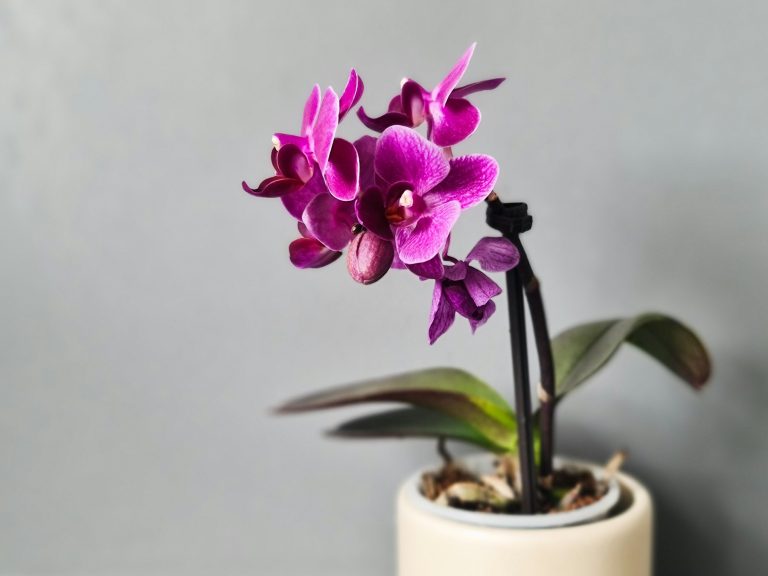
8. Moth orchid (Phalaenopsis)
Blooms for weeks or months. Grow it in bark, not soil, and water when the roots turn silvery.
Common houseplants that are toxic to pets
These popular plants are listed as toxic to cats and/or dogs by the ASPCA. You don’t have to avoid them entirely if your pets ignore plants, but keep them well out of reach.
| Plant | Why it’s a concern |
|---|---|
| Pothos, philodendron, monstera | Insoluble calcium oxalate crystals can irritate the mouth and cause drooling and vomiting |
| Peace lily, dieffenbachia, ZZ plant | Contain irritating calcium oxalates |
| Snake plant | Can cause nausea, vomiting and diarrhea |
| Aloe vera | Can cause vomiting and lethargy |
| Rubber plant and fiddle leaf fig | Irritating sap |
| Dracaena | Can cause vomiting and other symptoms |
| True lilies (Lilium) and daylilies (Hemerocallis) | Extremely dangerous to cats — even small amounts of pollen, leaves or vase water can cause kidney failure. Keep them out of homes with cats. |
Tips for pets and plants living together
- Put tempting plants on high shelves or in hanging planters.
- Offer cats their own pot of cat grass to chew.
- Use heavy pots that are hard to knock over, and top soil with large decorative stones if pets dig.
- Check fertilizers, pest sprays and systemic granules for pet warnings, and store them safely.
- Remove fallen leaves and flowers promptly.
- Try our Pet-Safe Plant Finder to filter plants by pet and room.
Frequently asked questions
Is spider plant safe for cats?
Yes, the ASPCA lists spider plant as non-toxic to cats and dogs. Some cats love chewing it, and eating a lot of any plant can cause mild stomach upset, so it’s still best to keep it out of reach.
Are succulents safe for pets?
It depends on the species. Some, like haworthia and many echeverias, are listed as non-toxic, while aloe, jade plant and kalanchoe are listed as toxic. Check each plant’s botanical name.
Is the peace lily a real lily?
No. Peace lilies (Spathiphyllum) aren’t true lilies and don’t cause the kidney failure that true lilies cause in cats, but they’re still toxic and can cause painful mouth irritation.
Shopping shortcuts
Shop pet-safe indoor plants and plant gear
Links go to Amazon search results so you can compare current prices, sizes and reviews yourself. We don’t list prices or star ratings here because they change constantly.
Helpful plant gear
| Product | Best for | Budget | Link |
|---|---|---|---|
| Indoor Plant Pots | Any room | Budget | View |
| Self-Watering Pot | Busy owners | Mid | View |
| Plant Grow Light | Low-light apartments | Mid | View |
| Moisture Meter For Plants | Beginners | Budget | View |
| Plant Stand Indoor | Floor plants | Mid | View |
| Watering Can Indoor Plants | Daily use | Budget | View |
Before you buy
- Match the product to your plant’s size, light and watering needs.
- Read recent reviews for build-quality problems and check the return window.
- Have pets? Check each plant on the ASPCA toxic and non-toxic plant list.