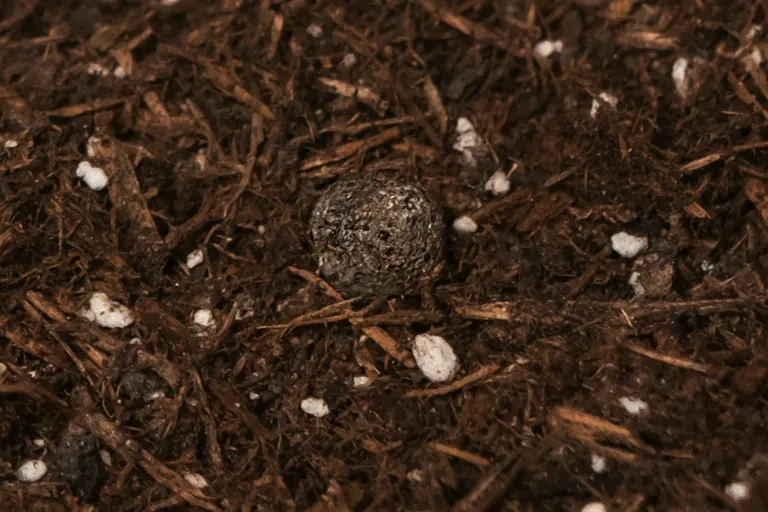
Moisture Meter For Plants
Best for: Beginners
- Helps stop overwatering
- Cheap to try
- Readings vary by probe quality
- Use as a guide, not gospel
Buying guide
A soil moisture meter can take the guesswork out of watering large pots. Here’s how they work, how to read them, and when a finger or wooden skewer works just as well.
Updated
Quick answer
A basic probe moisture meter gives a rough reading of how wet the soil is around the roots. It’s most useful for large or deep pots where you can’t feel the root zone. Push the probe to root depth, water when the reading reaches the dry end for your plant type, and double-check with your finger occasionally — cheap meters aren’t precise.
Most watering problems come from guessing. A moisture meter won’t make decisions for you, but it can confirm what’s happening deep in a pot, which is especially helpful for beginners and big floor plants.
Most inexpensive meters measure how easily a small electrical current passes through the soil. Wet soil conducts better than dry soil, so the needle moves toward “wet”. Because fertilizer salts and soil type also affect conductivity, readings are an estimate rather than an exact measurement.
Free alternatives
A wooden chopstick or skewer pushed into the soil for a minute works surprisingly well — if it comes out with damp soil stuck to it, wait. Lifting pots to feel their weight is another reliable habit. See how often to water houseplants.
They’re good for comparing wetter vs drier, not for precise numbers. Very chunky mixes, bark and heavy fertilizer can skew readings.
Not very well. Loose bark and gritty mixes have air gaps that confuse probe meters. Check orchid roots and succulent soil directly instead.
Shopping shortcuts
Links go to Amazon search results so you can compare current prices, sizes and reviews yourself. We don’t list prices or star ratings here because they change constantly.
Best for: Beginners
| Product | Best for | Budget | Link |
|---|---|---|---|
| Indoor Plant Pots | Any room | Budget | View |
| Self-Watering Pot | Busy owners | Mid | View |
| Plant Grow Light | Low-light apartments | Mid | View |
| Plant Stand Indoor | Floor plants | Mid | View |
| Watering Can Indoor Plants | Daily use | Budget | View |
| Plant Humidifier | Tropicals & calatheas | Mid | View |
Before you buy