Overwatered vs. Underwatered Plant: How to Tell the Difference (and Fix It)
A drooping plant can mean too much water or too little. Use this side-by-side comparison to diagnose the problem, rescue your plant and treat root rot if it’s set in.
In this guide
Quick answer
Check the soil. Overwatered plants droop or yellow while the soil is still wet, and leaves feel soft. Underwatered plants droop when the soil is dry, leaves feel crispy or wrinkled, and they perk up within hours of watering. Overwatering is more dangerous because it can lead to root rot.
Both problems can make a plant wilt, yellow and drop leaves, which is why they’re so easy to confuse. The fix for one makes the other worse — so it’s worth taking two minutes to diagnose before you grab the watering can.
Side-by-side comparison
| What to check | Overwatered | Underwatered |
|---|---|---|
| Soil | Wet or damp days after watering; may smell sour or musty | Dry and light; may pull away from the pot’s edge |
| Pot weight | Heavy | Surprisingly light |
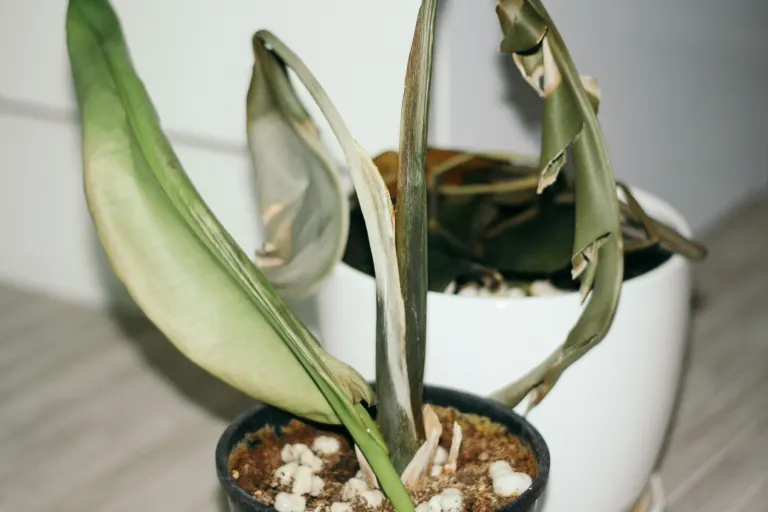
| Leaf feel | Soft, limp, sometimes translucent or mushy | Dry, crispy, papery or wrinkled |
| Leaf colour | Yellow, often starting with lower leaves; brown or black soft patches | Yellow then brown and crispy, often at tips and edges |
| Drooping | Droops and stays droopy after watering | Droops, then recovers within hours of a good drink |
| Stems | Soft or dark near the soil line | Firm but thin or shrivelled |
| Roots | Brown or black, mushy, may smell bad | Dry and brittle, but firm |
| Other clues | Fungus gnats, mould on soil, algae | Water runs straight through the pot |
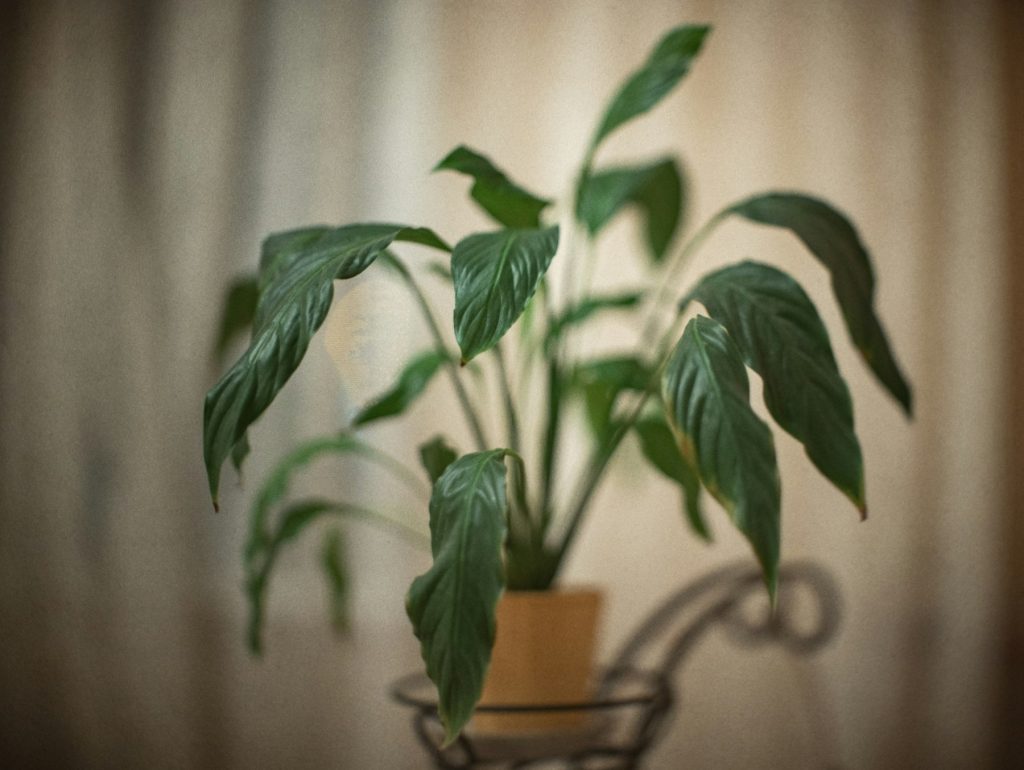
How to fix an underwatered plant
- Give it a thorough drink. Water slowly until it drains out the bottom.
- If water runs straight through, bottom-soak. Set the pot in a bowl or sink with a few inches of water for 20–30 minutes so dry soil can absorb it again.
- Let it drain completely. Don’t leave it sitting in water.
- Trim crispy leaves. Fully brown leaves won’t recover.
- Check more often. Plants in small pots, bright light or warm rooms dry out quickly. Our watering guide can help you find a rhythm.
Most thirsty plants perk up within a day. If yours doesn’t, check the roots — very dry roots can die back too.
How to fix an overwatered plant
- Stop watering. Let the top 2 inches of soil dry out before you water again.
- Empty any standing water from saucers and decorative outer pots.
- Increase light and airflow. Brighter light helps the plant use water; a bit of air movement helps soil dry.
- Check the drainage hole. If the pot has none, move the plant to one that does.
- If the soil stays wet for more than a week, or the plant keeps wilting, check for root rot (below).
Don’t water a drooping plant with wet soil
It’s a natural reaction, but adding more water to a plant that’s drooping from waterlogged roots will make things worse.
Root rot: how to spot and treat it
Root rot happens when roots sit in wet soil without enough oxygen. They die and decay, and rot-causing organisms move in. Without working roots, the plant wilts as if it’s thirsty.
Signs of root rot
- Wilting or yellowing even though the soil is wet.
- A sour, rotten smell from the soil.
- Soft, dark stems at the soil line.
- Roots that are brown or black and mushy, and slip apart when you pinch them.
How to treat root rot
- Remove the plant from its pot and gently shake or rinse away the old soil.
- Trim all mushy, dark roots with clean scissors, leaving only firm, healthy roots. Clean the blades between cuts.
- Cut back some foliage if you removed a lot of roots, so the smaller root system can support the plant.
- Repot into fresh, well-draining mix in a clean pot with a drainage hole. Use a smaller pot if the root ball shrank. Don’t reuse the old soil.
- Water lightly and keep the plant in bright, indirect light. Wait until the top of the soil dries before watering again.
If almost all the roots are rotten, the best rescue may be to take healthy stem or leaf cuttings and start new plants. See houseplant propagation for beginners.
How to prevent both problems
- Water based on the soil, not the calendar.
- Use pots with drainage holes and a potting mix that suits the plant — see potting mix basics.
- Choose a pot only slightly larger than the root ball.
- Adjust watering by season: more in summer, less in winter.
- Group plants with similar water needs.
Plant-specific tips
- Snake plants rot easily. Let soil dry nearly all the way. Snake plant care guide.
- Peace lilies droop dramatically when thirsty and bounce back fast. Peace lily care guide.
- Pothos leaves yellow when overwatered and droop when dry. Pothos care guide.
Frequently asked questions
How long does it take an overwatered plant to recover?
If the roots are still healthy, you’ll usually see improvement within one to two weeks once the soil dries out. If root rot was involved, recovery can take several weeks as new roots grow.
Can I put an overwatered plant in the sun to dry it out?
Moving it to brighter indirect light helps. A sudden move into strong direct sun can scorch a stressed plant, so avoid that.
Does hydrogen peroxide cure root rot?
Some growers rinse trimmed roots with diluted hydrogen peroxide, but it isn’t a cure on its own. The essential steps are removing rotten roots, using fresh well-draining soil and watering less.
Sources and further reading
- University of Minnesota Extension — Watering houseplants
- UC Statewide IPM Program — Houseplant Problems