How to Repot a Houseplant in 7 Easy Steps
Roots poking out of the drainage hole? Water running straight through? Here’s how to tell when a plant needs a bigger pot and how to repot it without the stress.
In this guide
Quick answer
Repot when roots are circling the pot or growing out of the drainage hole, usually every 1–2 years for fast growers. Choose a pot just 1–2 inches (2–5 cm) wider than the old one, with a drainage hole. Water the plant a day before, ease it out, loosen the roots, set it at the same depth in fresh potting mix, then water well. Spring and early summer are the best times.
Repotting sounds like a big job, but it usually takes about 15 minutes. Done at the right time, it gives roots fresh space and nutrients and helps your plant grow stronger. Done too early — or into a pot that’s far too big — it can do more harm than good.
Signs your plant needs repotting
- Roots are growing out of the drainage hole.
- Roots are circling around the inside of the pot when you slide the plant out.
- Water runs straight through and the soil dries out within a day or two.
- The plant is top-heavy and tips over easily.
- Growth has slowed during spring and summer even with good light and care.
- The soil has shrunk away from the pot or looks crusty with white mineral buildup.
- It’s been two years or more since the last repot.
One sign alone isn’t always enough. Many plants, including snake plants and peace lilies, are happy slightly snug. When in doubt, slide the plant out and look at the roots.
Don’t repot a new plant straight away
A plant that just came home from the store is already adjusting to new light and humidity. Give it two to four weeks to settle in unless it’s severely root-bound or sitting in soggy soil.
When is the best time to repot?
Spring and early summer are ideal. Plants are actively growing, so they recover quickly and push new roots into fresh soil. You can repot in other seasons if there’s a real problem — like root rot — but expect slower recovery in winter.
What you’ll need
- A new pot 1–2 inches wider (up to 2–4 inches for large floor plants), with a drainage hole.
- Fresh potting mix suited to your plant — see our guide to potting mix basics.
- Clean scissors or pruners.
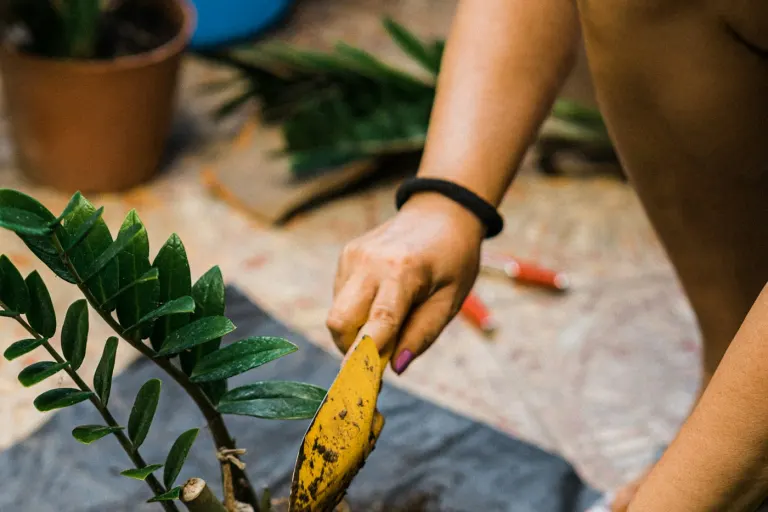
- A butter knife or thin trowel.
- Newspaper, a tray or an old sheet to catch the mess.
- Gloves if you’re handling plants with irritating sap.
Why not a much bigger pot?
Extra soil holds extra water. If the roots can’t reach it, that soil stays wet for days, which invites root rot and fungus gnats. Going up one size at a time keeps moisture in balance.
How to repot a houseplant, step by step
- Water the day before. Moist (not soggy) roots slide out more easily and handle the move with less stress.
- Prepare the new pot. Add enough fresh mix to the bottom so the top of the root ball will sit about an inch below the rim. There’s no need to add gravel — it doesn’t improve drainage and can actually keep the bottom of the soil wetter.
- Remove the plant. Turn the pot on its side, support the base of the stems and gently slide the plant out. Squeeze plastic pots or run a knife around the edge if it’s stuck.
- Inspect and loosen the roots. Healthy roots are firm and white or tan. Tease apart circling roots with your fingers. Trim any black, mushy or smelly roots with clean scissors.
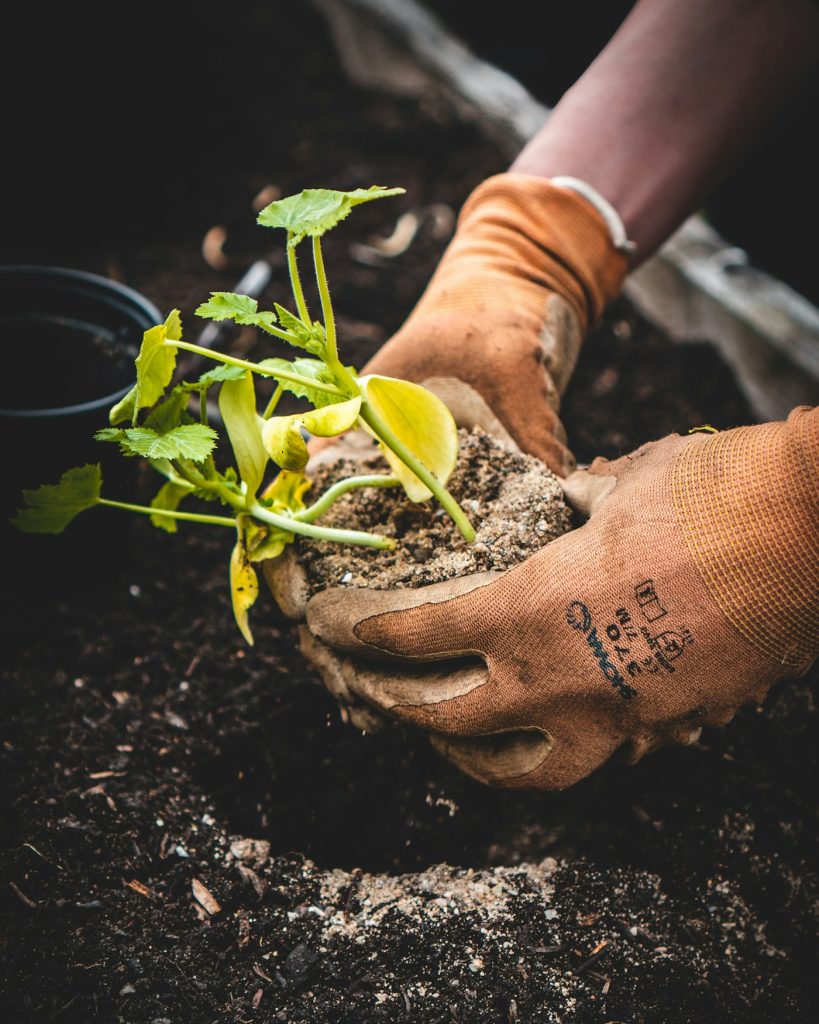
- Position the plant. Set it in the new pot at the same depth it was growing before. Burying the stem deeper can cause rot.
- Fill in around the sides. Add mix around the root ball and press gently to remove big air pockets. Don’t pack it hard.
- Water thoroughly. Water until it drains from the bottom, let it drain, then top up any soil that settled.
Aftercare: the first few weeks
- Keep it out of harsh sun for about a week. Bright indirect light is best while roots recover.
- Don’t fertilize for 4–6 weeks. Fresh potting mix usually contains some nutrients, and tender roots can burn.
- Expect a little drooping. Mild wilting for a few days is normal. Check the soil before watering again — freshly repotted plants often need less water than you think.
- Watch for yellow leaves. One or two older leaves may yellow as the plant adjusts. Lots of yellowing usually means the soil is staying too wet.
Repotting without a bigger pot
If a plant is already as large as you want it, you can refresh it without sizing up:
- Remove the plant and gently shake off about a third of the old soil.
- Trim a small amount of the outer roots.
- Put it back in the same (cleaned) pot with fresh mix.
This is also a good moment to divide plants like snake plants, peace lilies and spider plants into two or more pots.
Common repotting mistakes
| Mistake | Why it’s a problem | Do this instead |
|---|---|---|
| Pot is far too big | Extra soil stays wet and roots rot | Size up 1–2 inches at a time |
| No drainage hole | Water pools at the bottom | Use a nursery pot inside a decorative cachepot |
| Using garden soil | Compacts in pots and drains poorly | Use an indoor potting mix |
| Burying the stem deeper | Stem can rot at the soil line | Keep the same planting depth |
| Fertilizing right away | Can burn new roots | Wait 4–6 weeks |
Not sure what pot size to choose? Our plant care tools guide and indoor plant pots guide explain materials and sizes.
Frequently asked questions
Should I water right after repotting?
Yes, for most plants. A good soak settles the soil around the roots. The exception is succulents and cacti, especially if you trimmed roots — wait a few days so any cut roots can heal before watering.
Is terracotta or plastic better?
Terracotta is porous and dries faster, which suits succulents, snake plants and anyone who tends to overwater. Plastic and glazed ceramic hold moisture longer, which suits ferns, calatheas and people who forget to water.
My plant is drooping after repotting. Is it dying?
Probably not. Transplant stress is common for a few days to a week. Keep it in bright, indirect light and avoid overwatering. If it still droops after two weeks with wet soil, check the roots for rot.
Sources and further reading
- University of Missouri Extension — Caring for Houseplants
- West Virginia University Extension — Common Houseplant Care